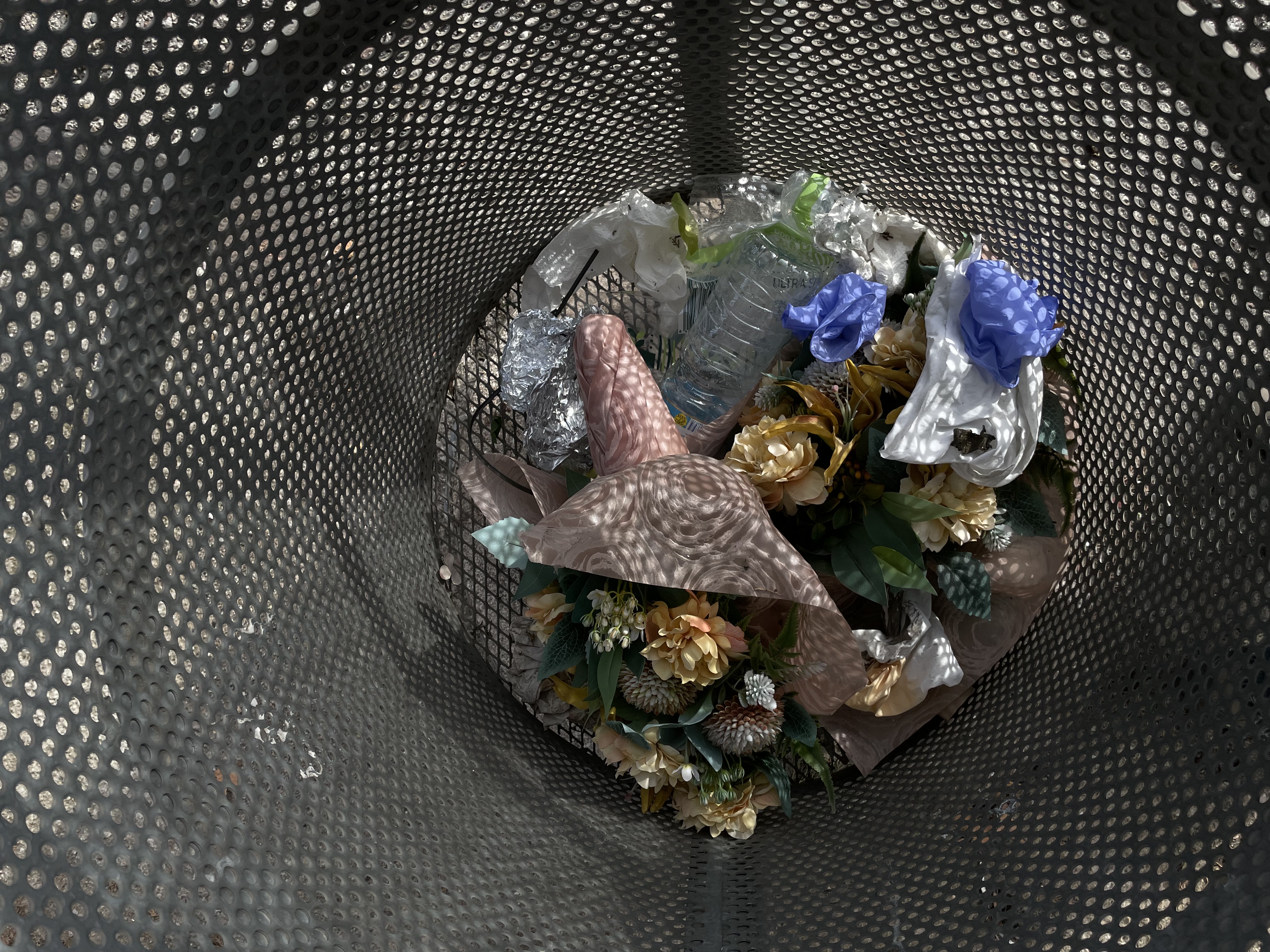
art is a problem of translation (explicitly) life is a problem of translation (implicitly)
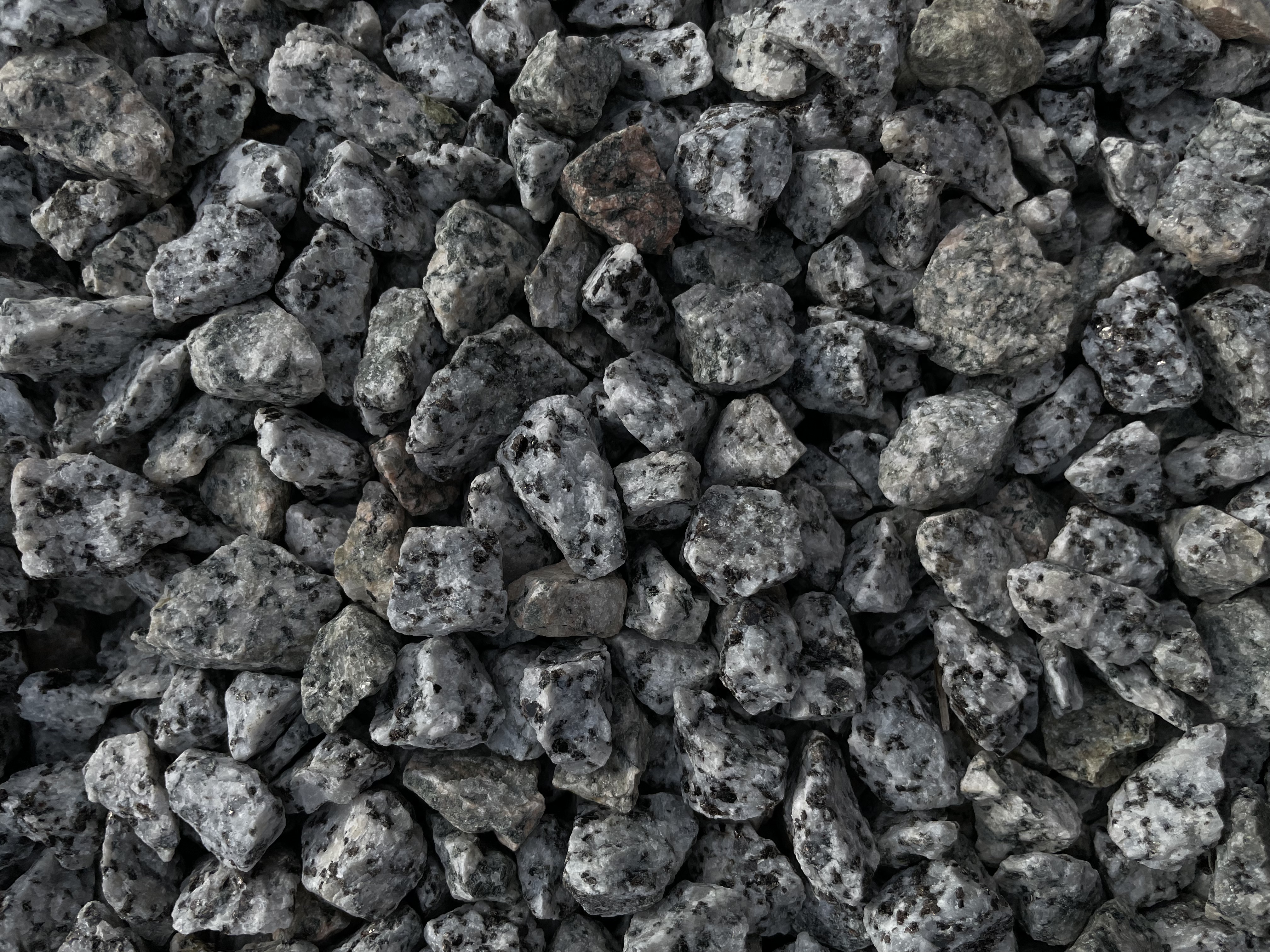
the wind is all names whispered
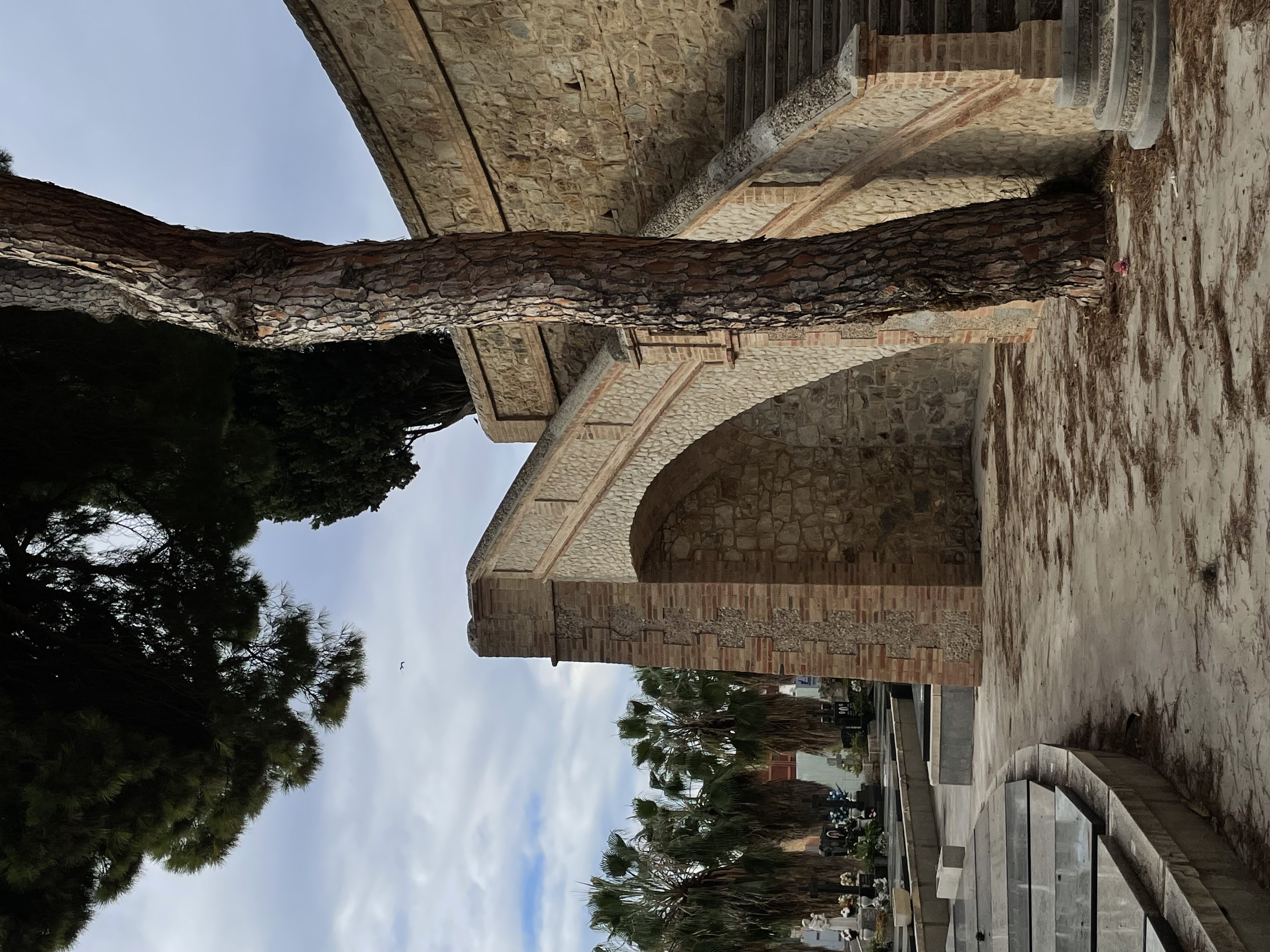
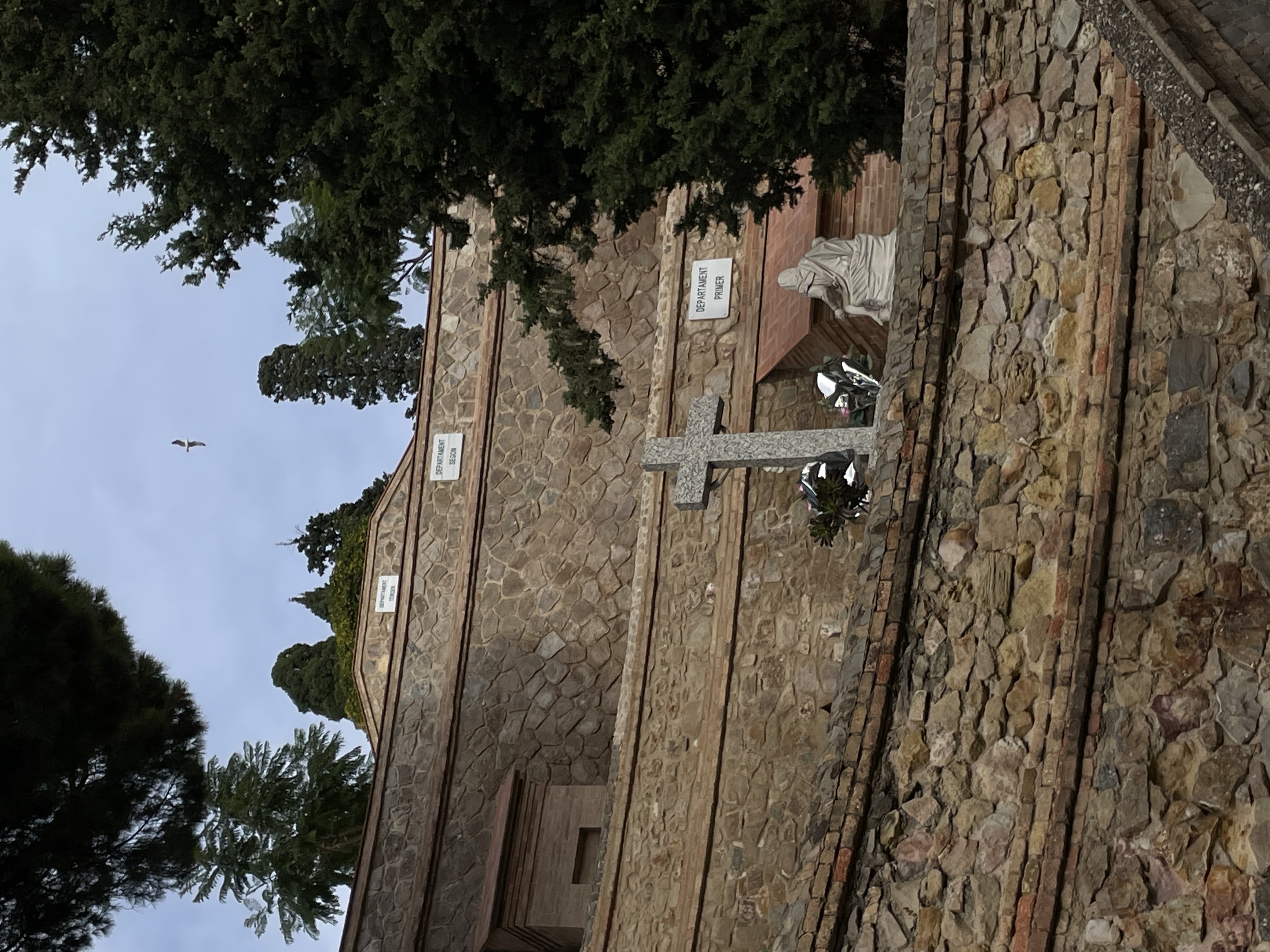
monuments to temporality
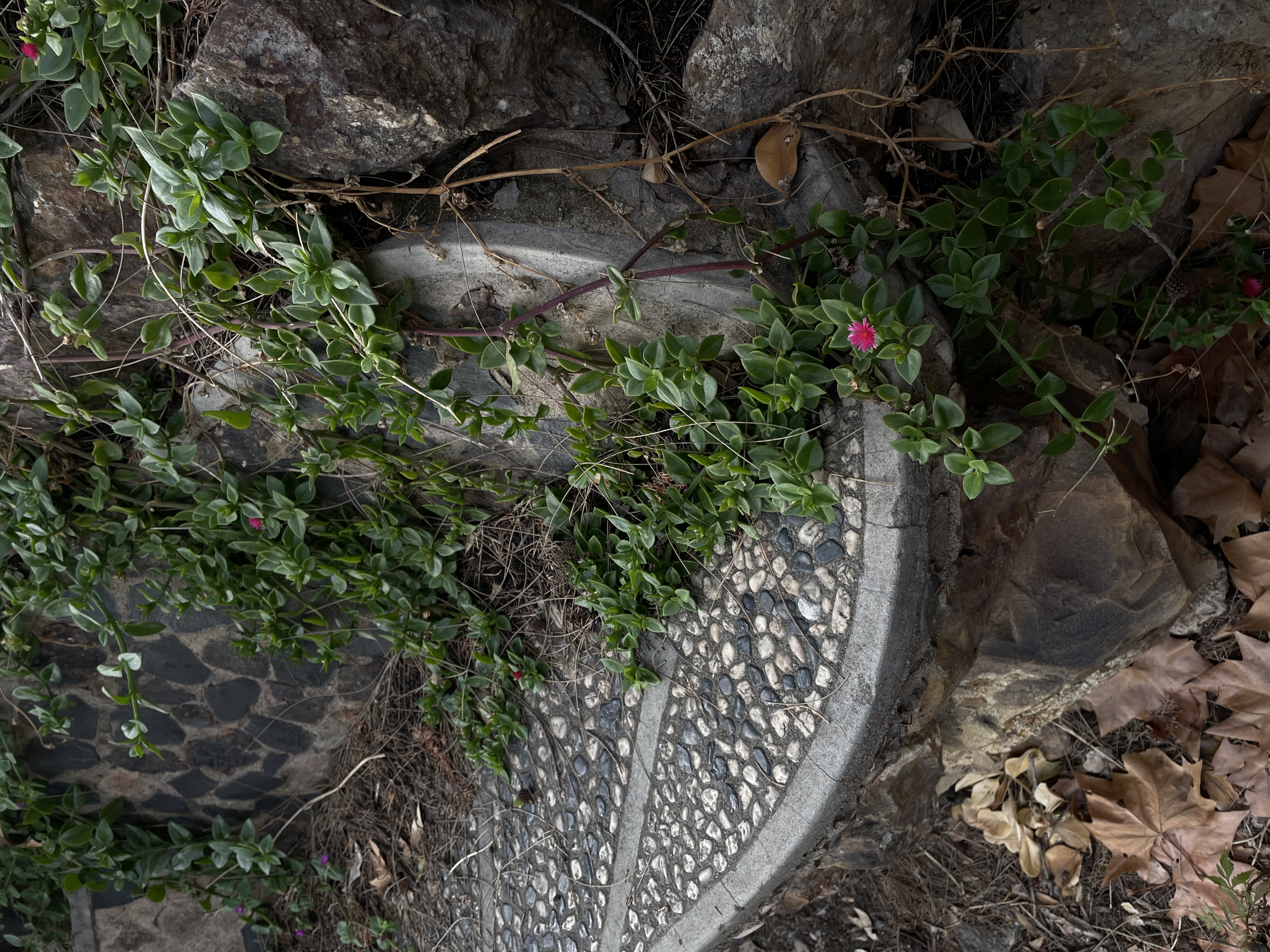
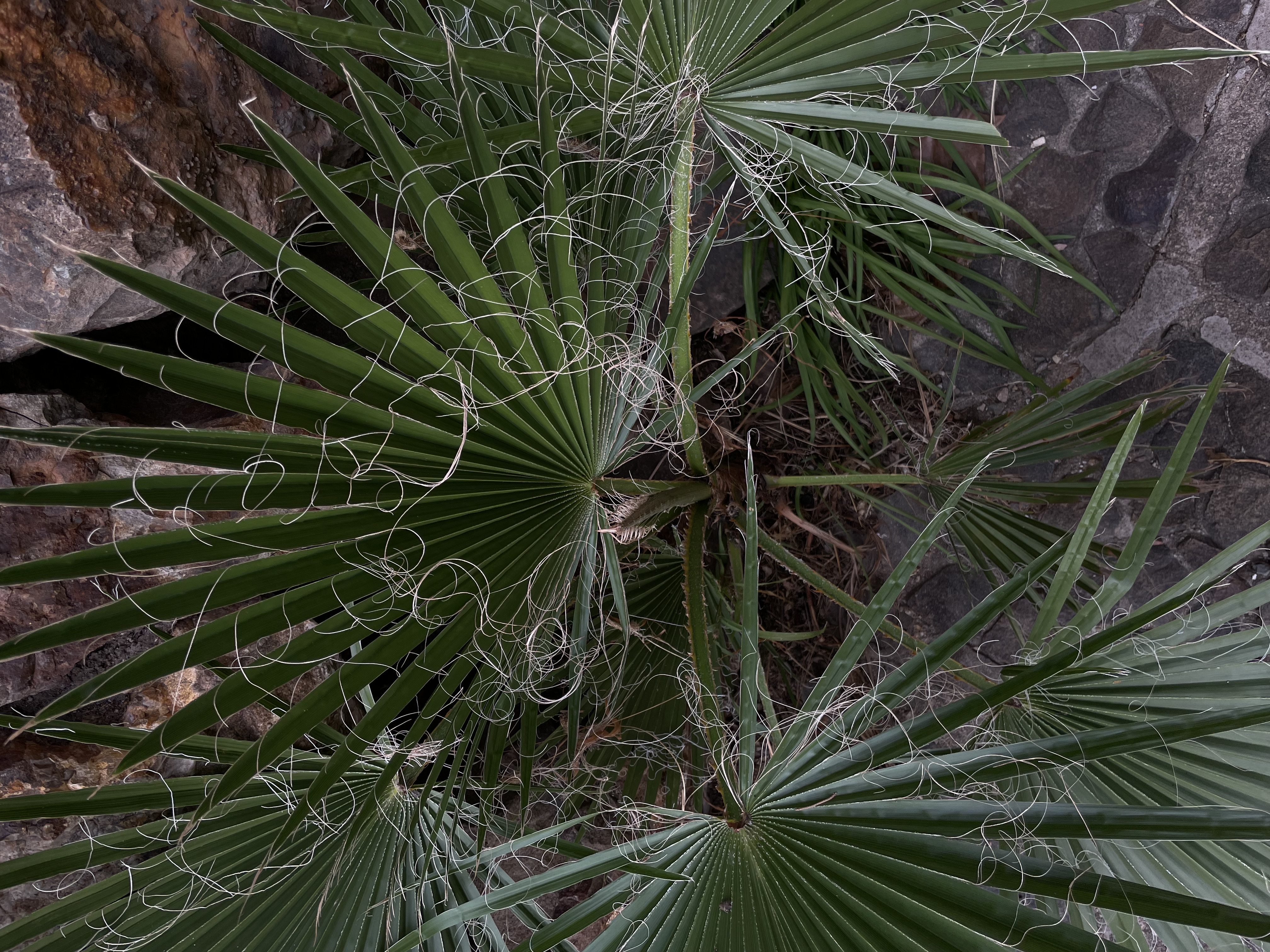
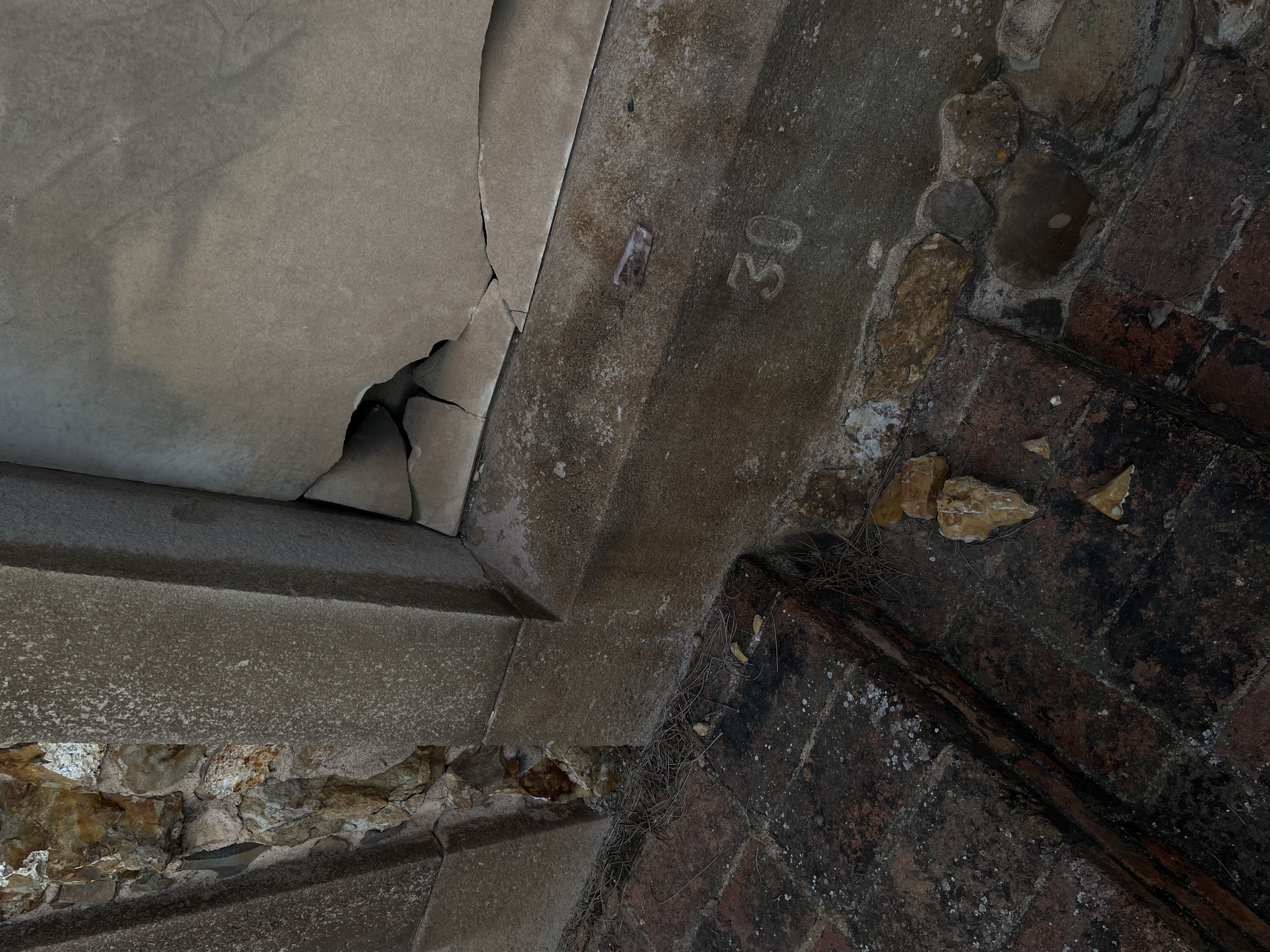
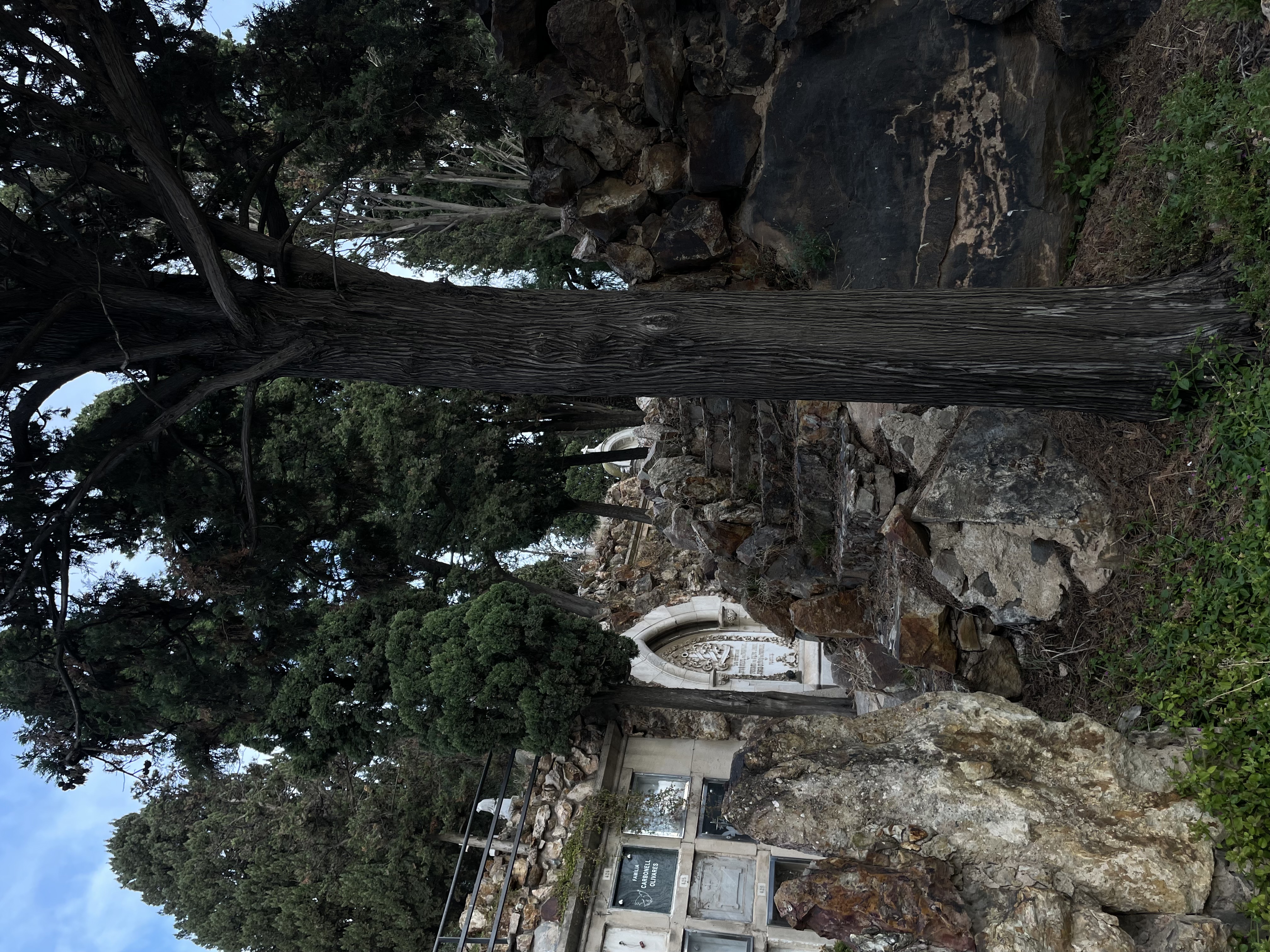
The soul of the cemetery is multiple
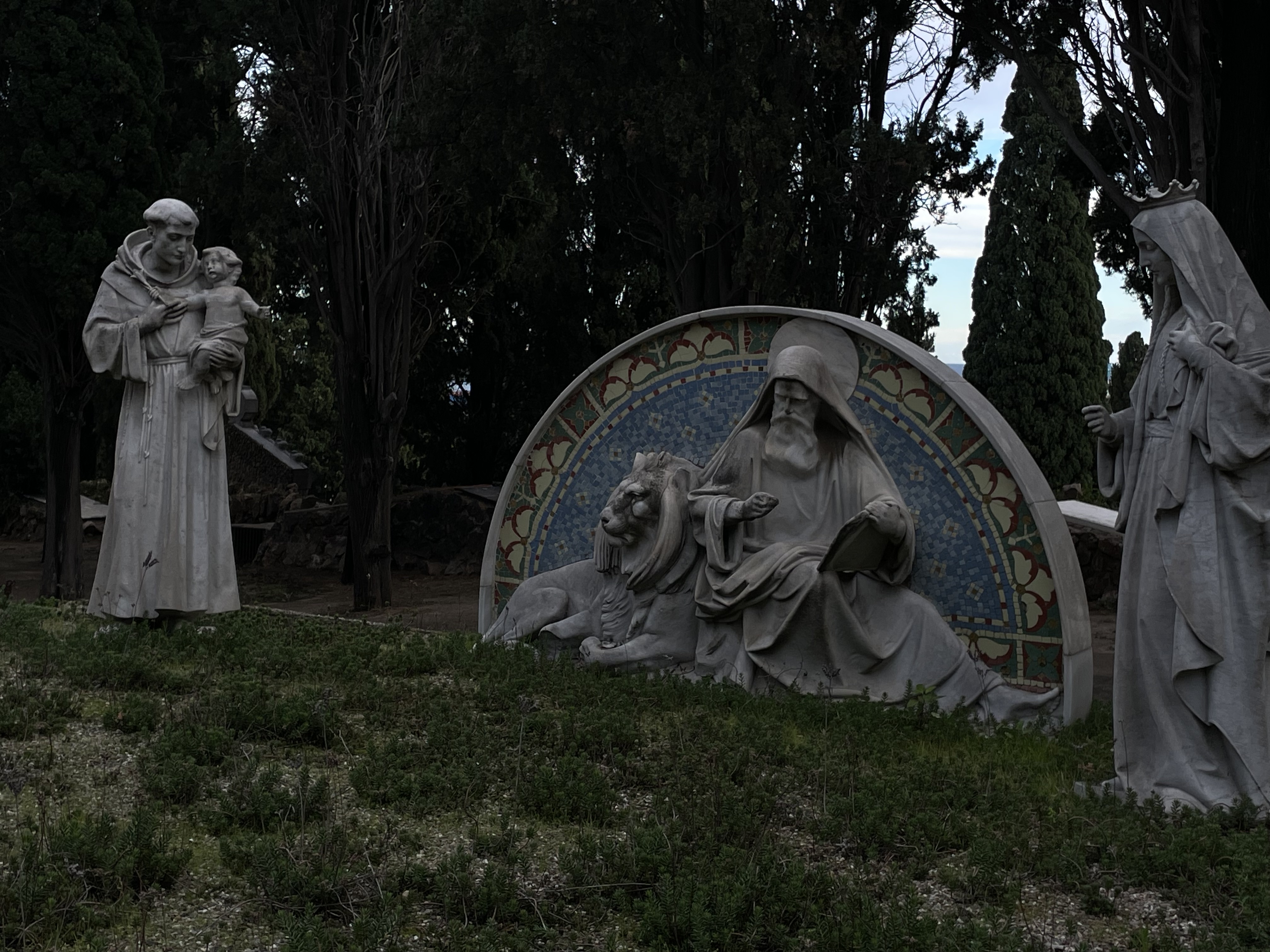
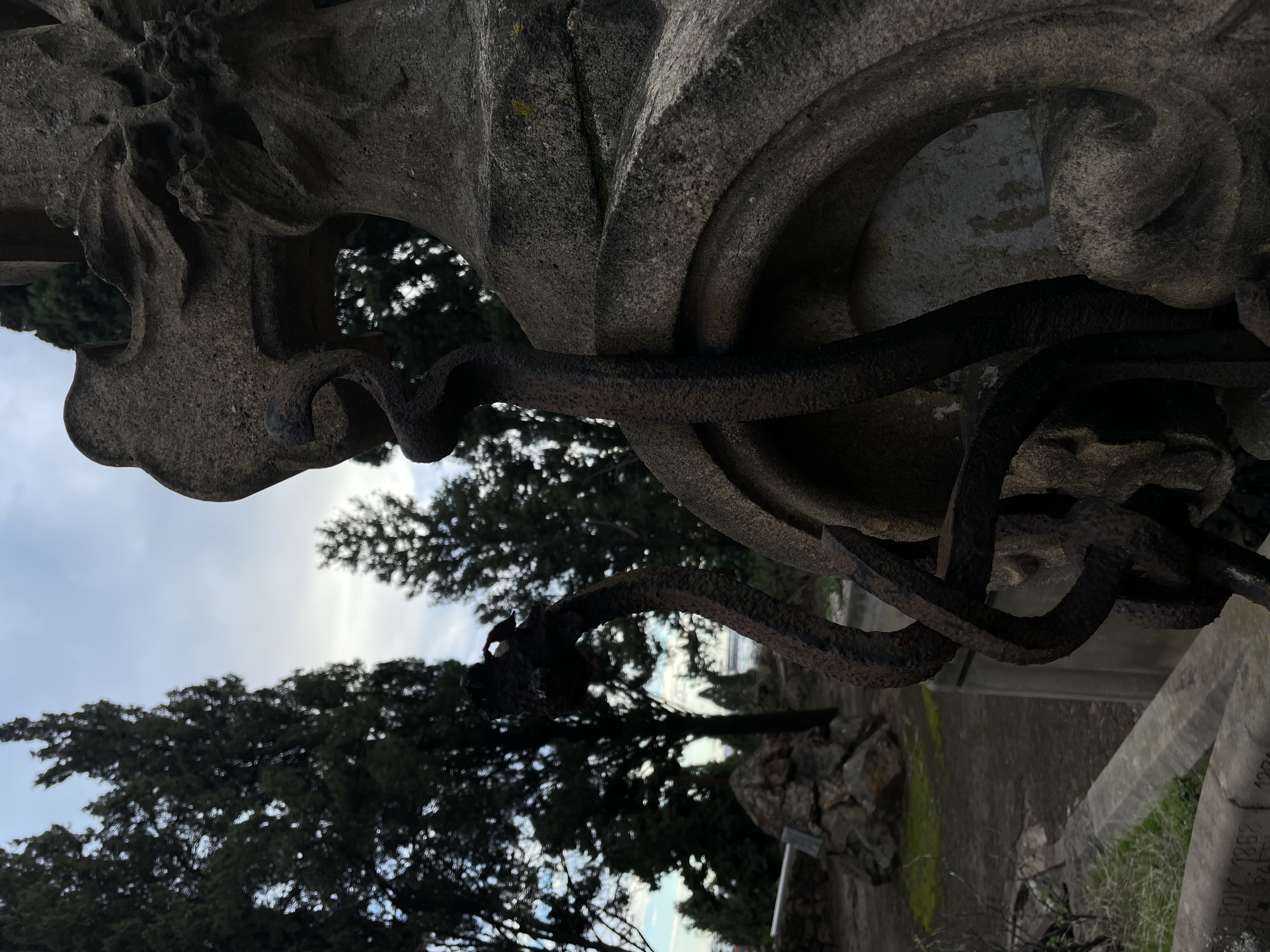
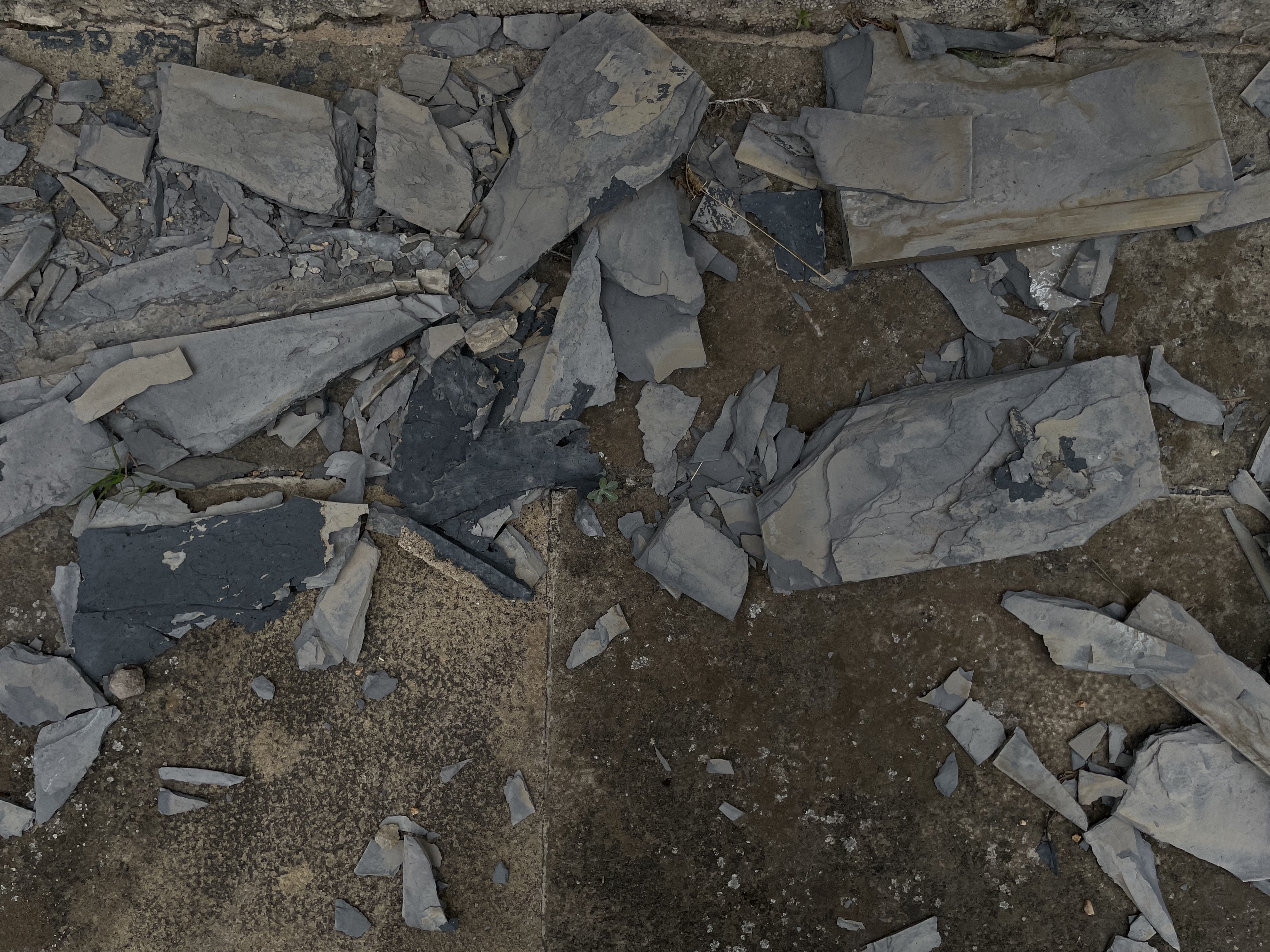
how to move through time and space
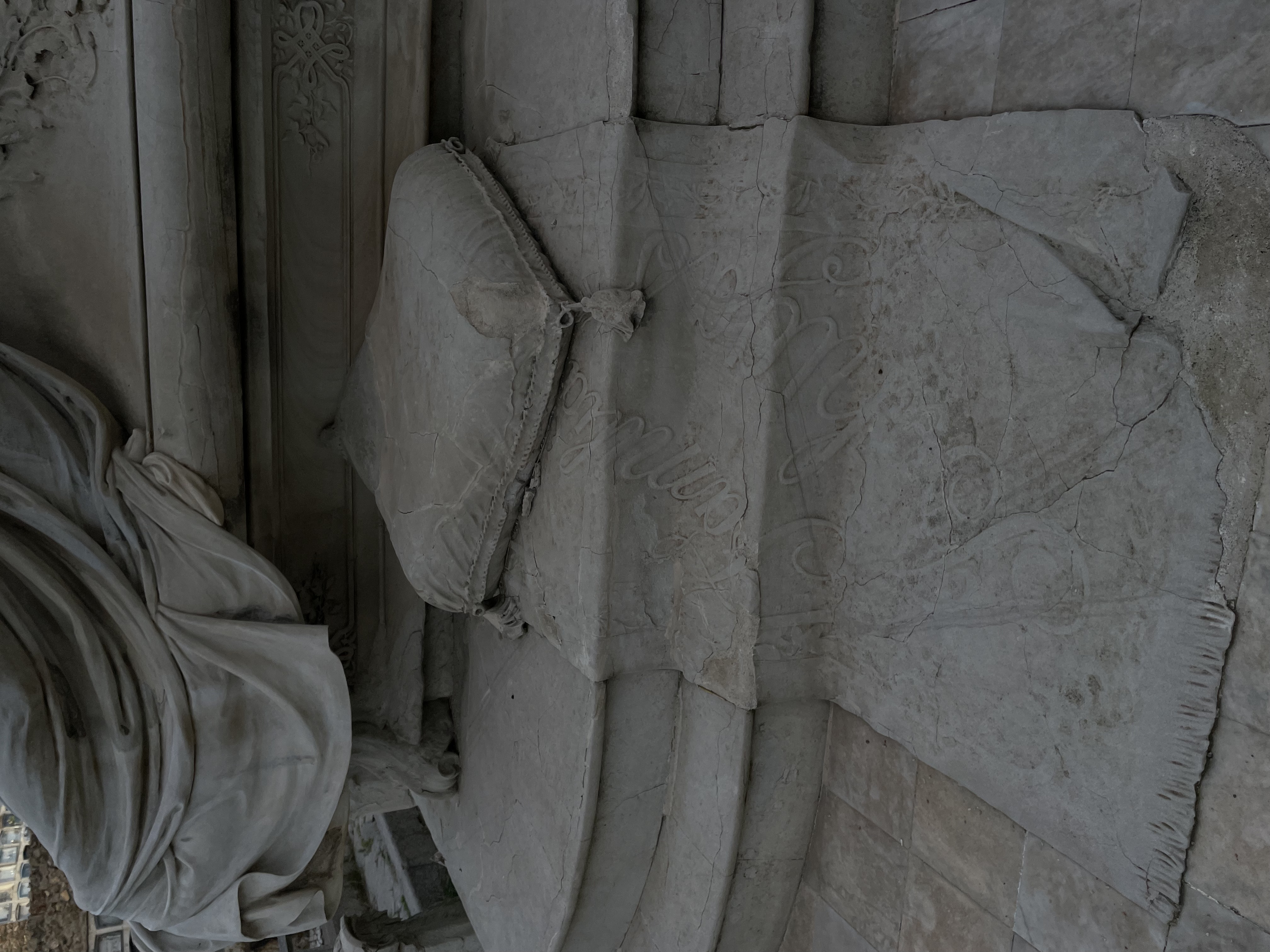
between stones and flowers
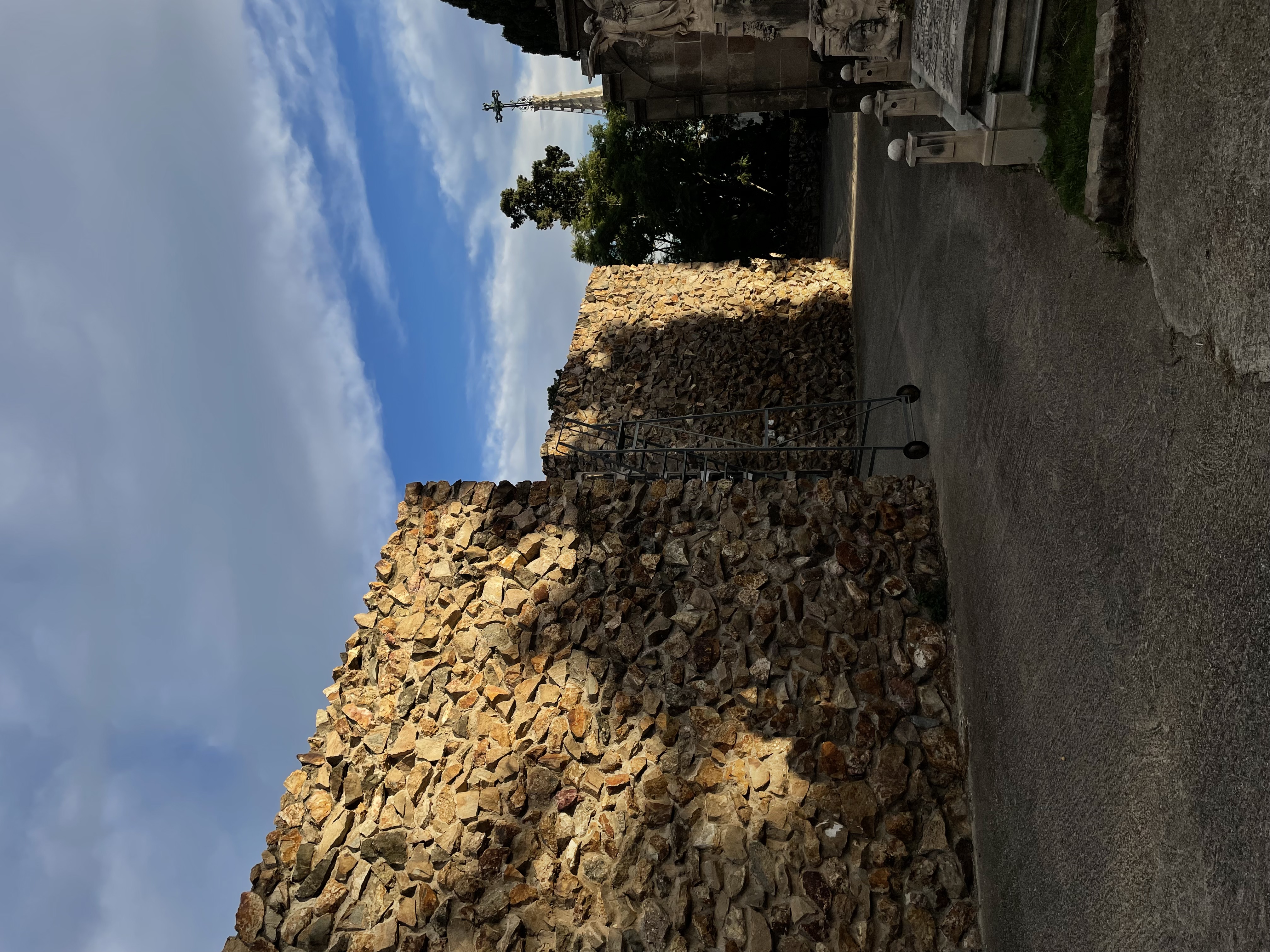
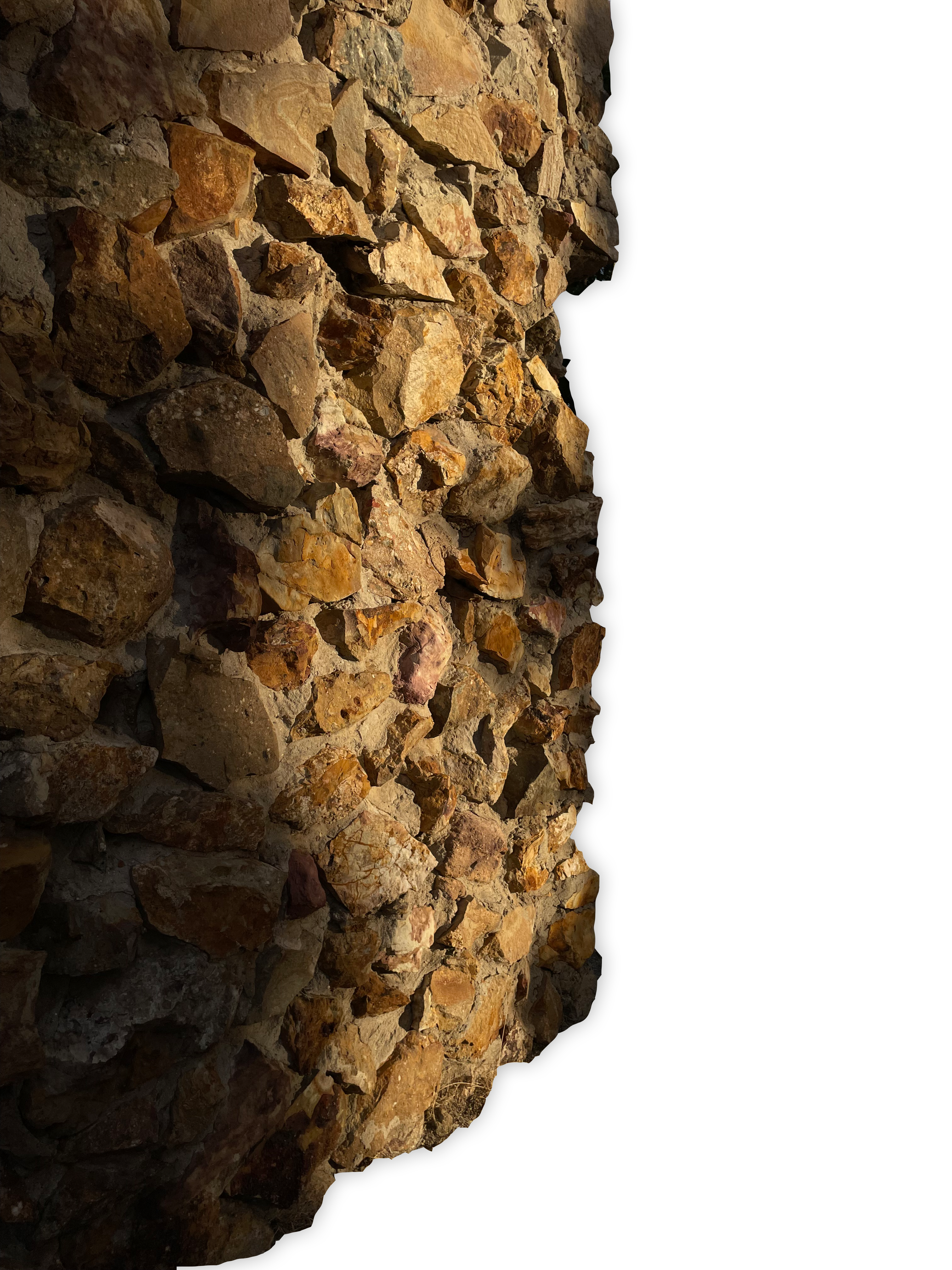
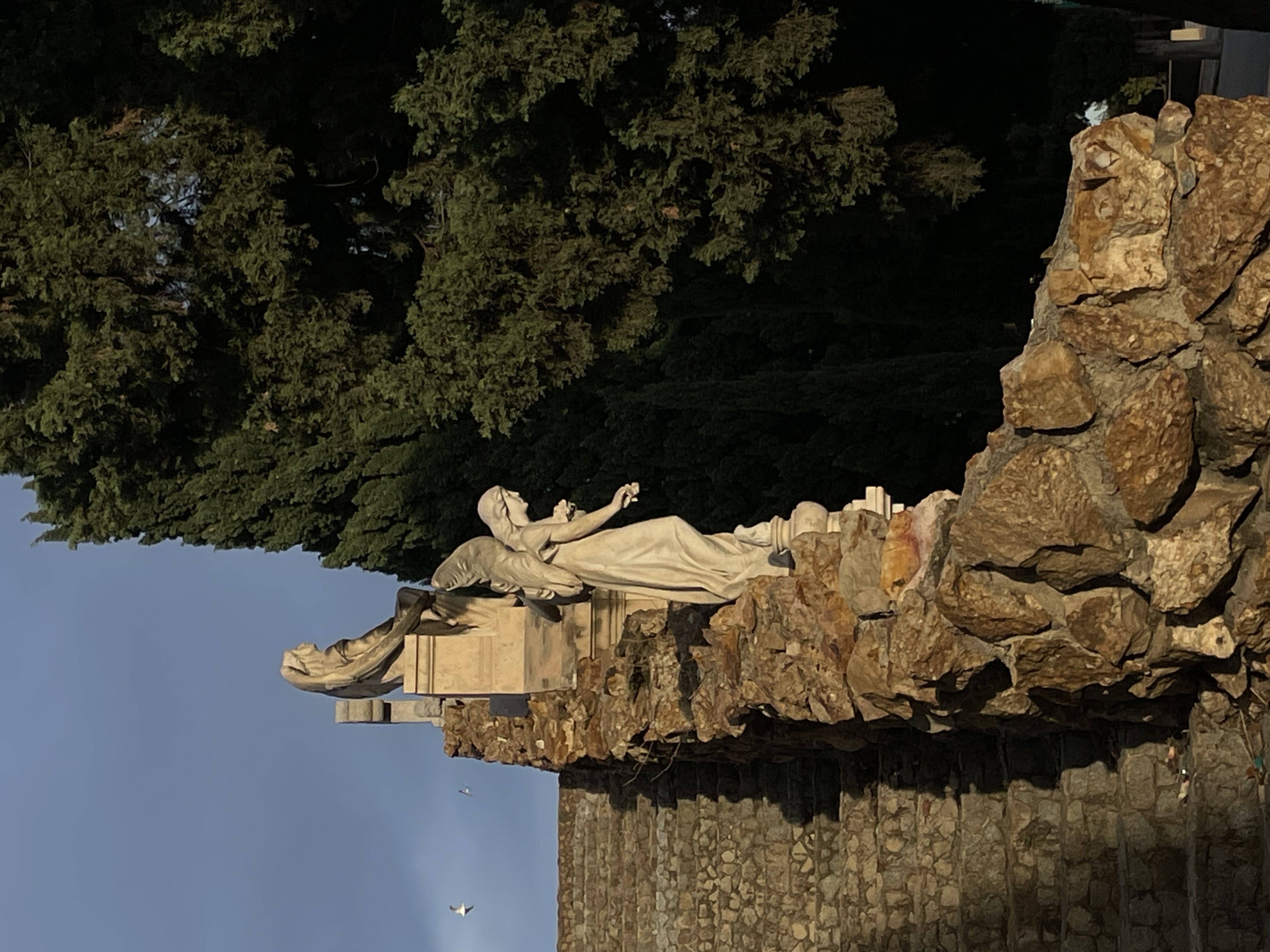
in the grand scheme of things, this tree has moved further than me
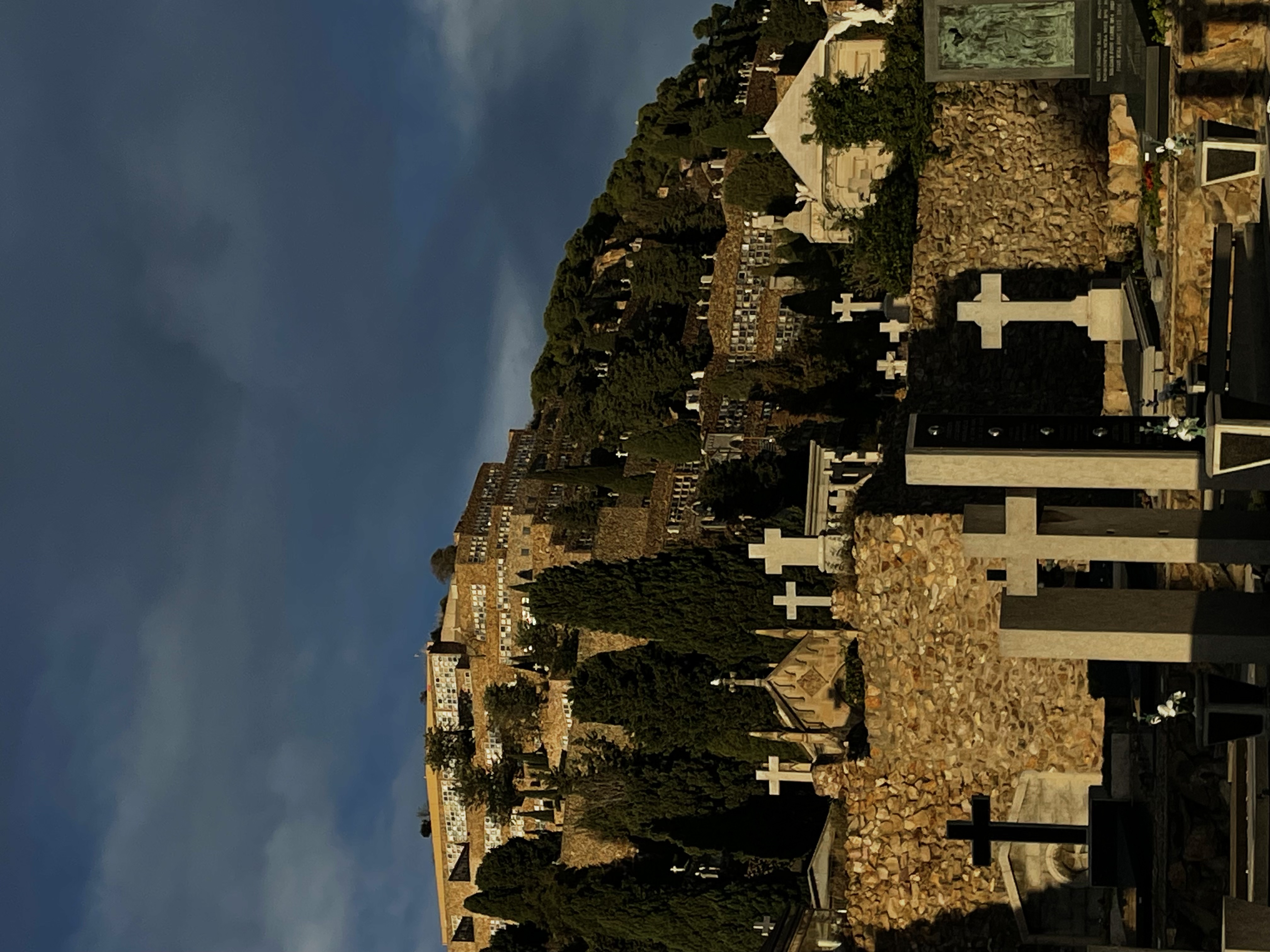
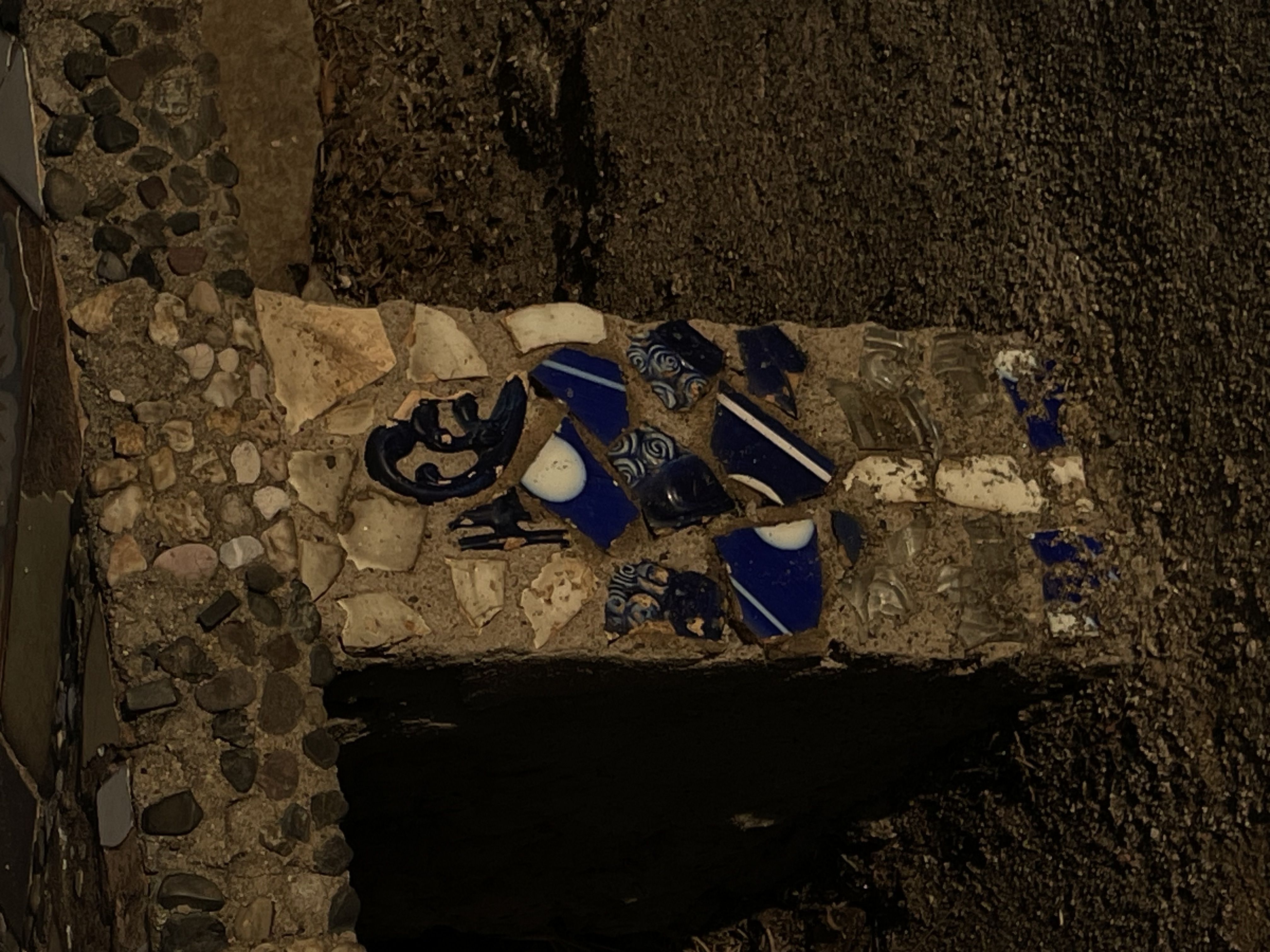
personal monutments are political monuments
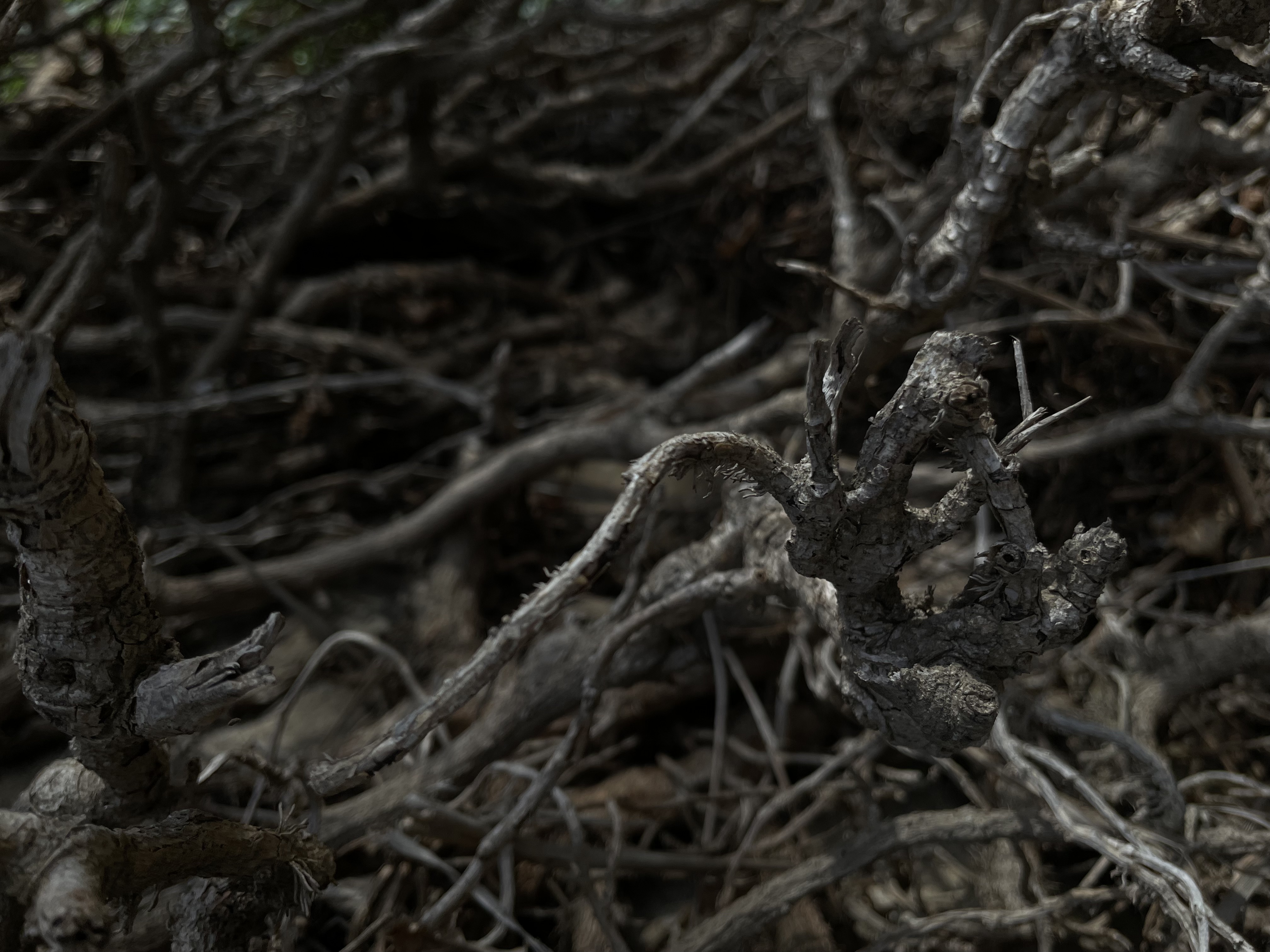
in a space (supposedly) still and unchanging the smallest difference comes into stark focus
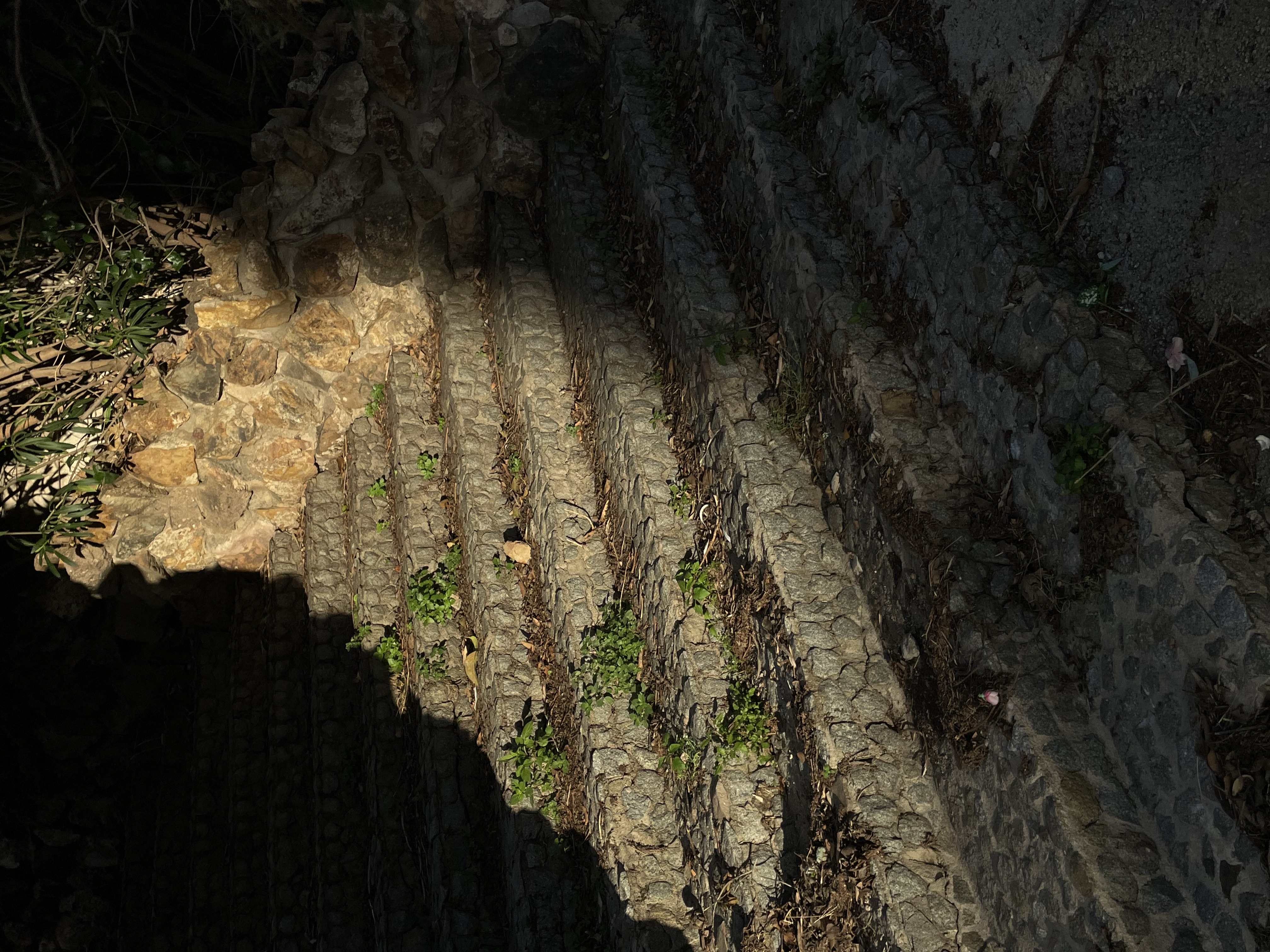
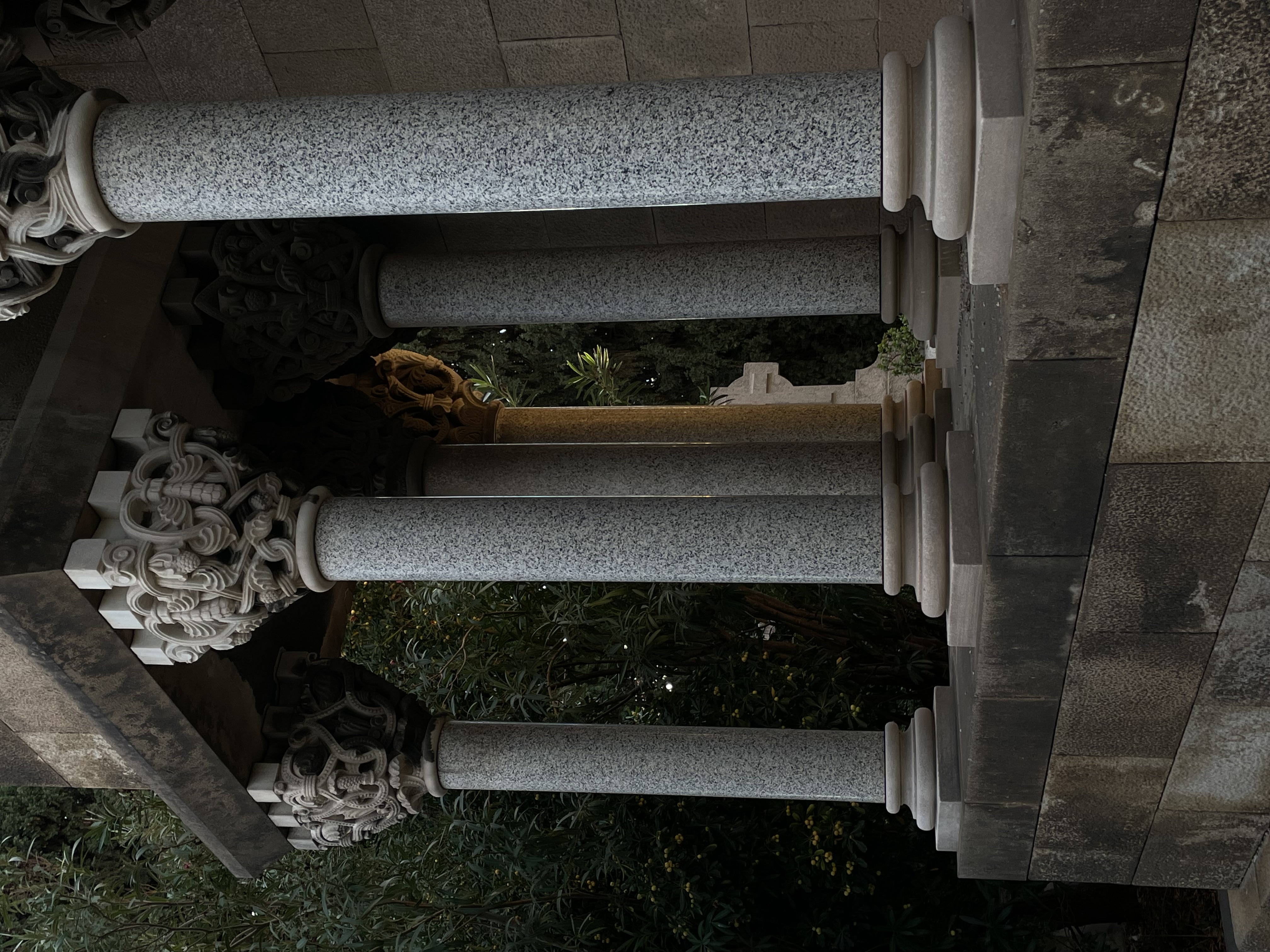
writing poetry without pen and paper looking around at the way light and shadow play their game on the variety of textures
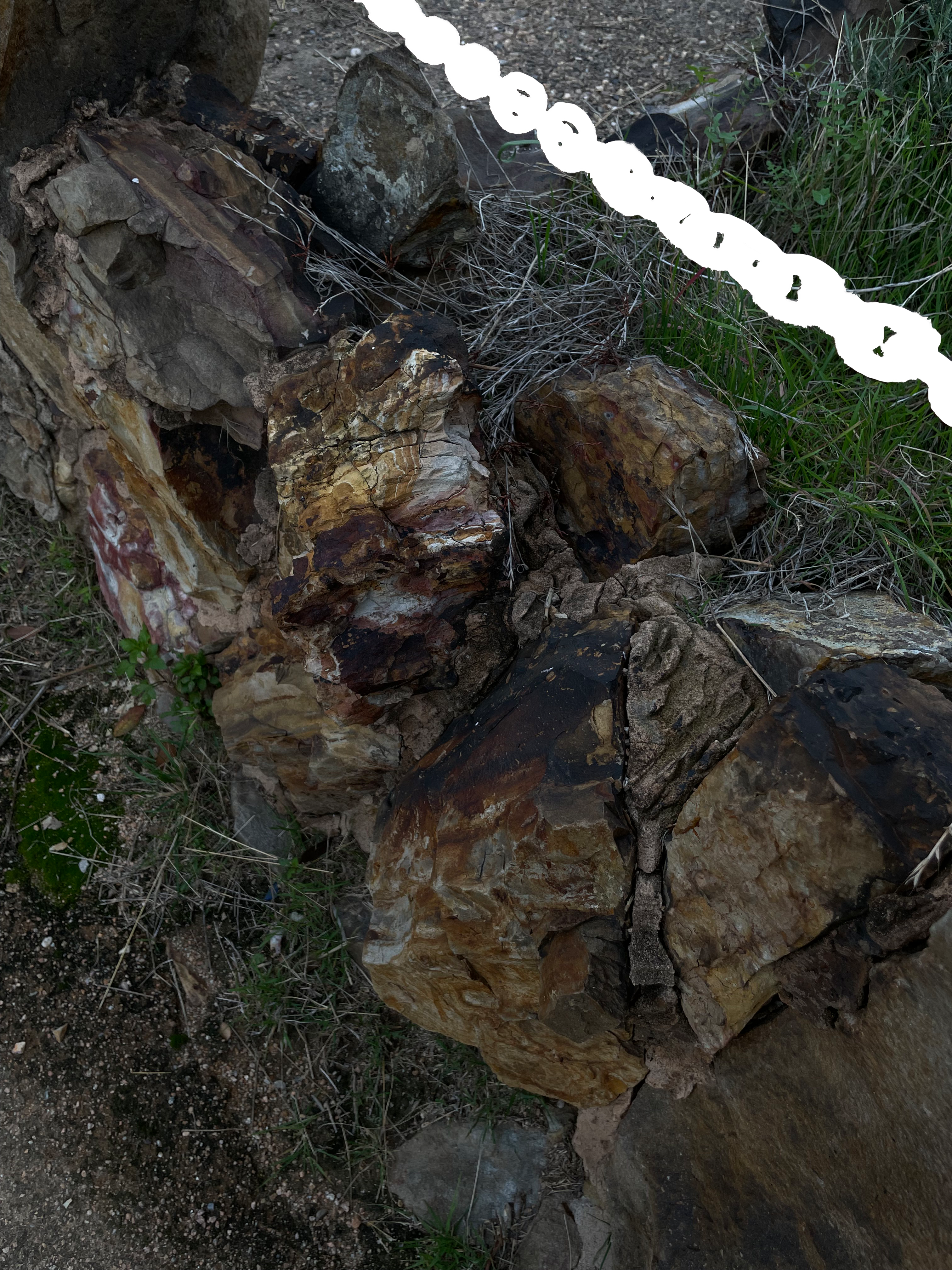
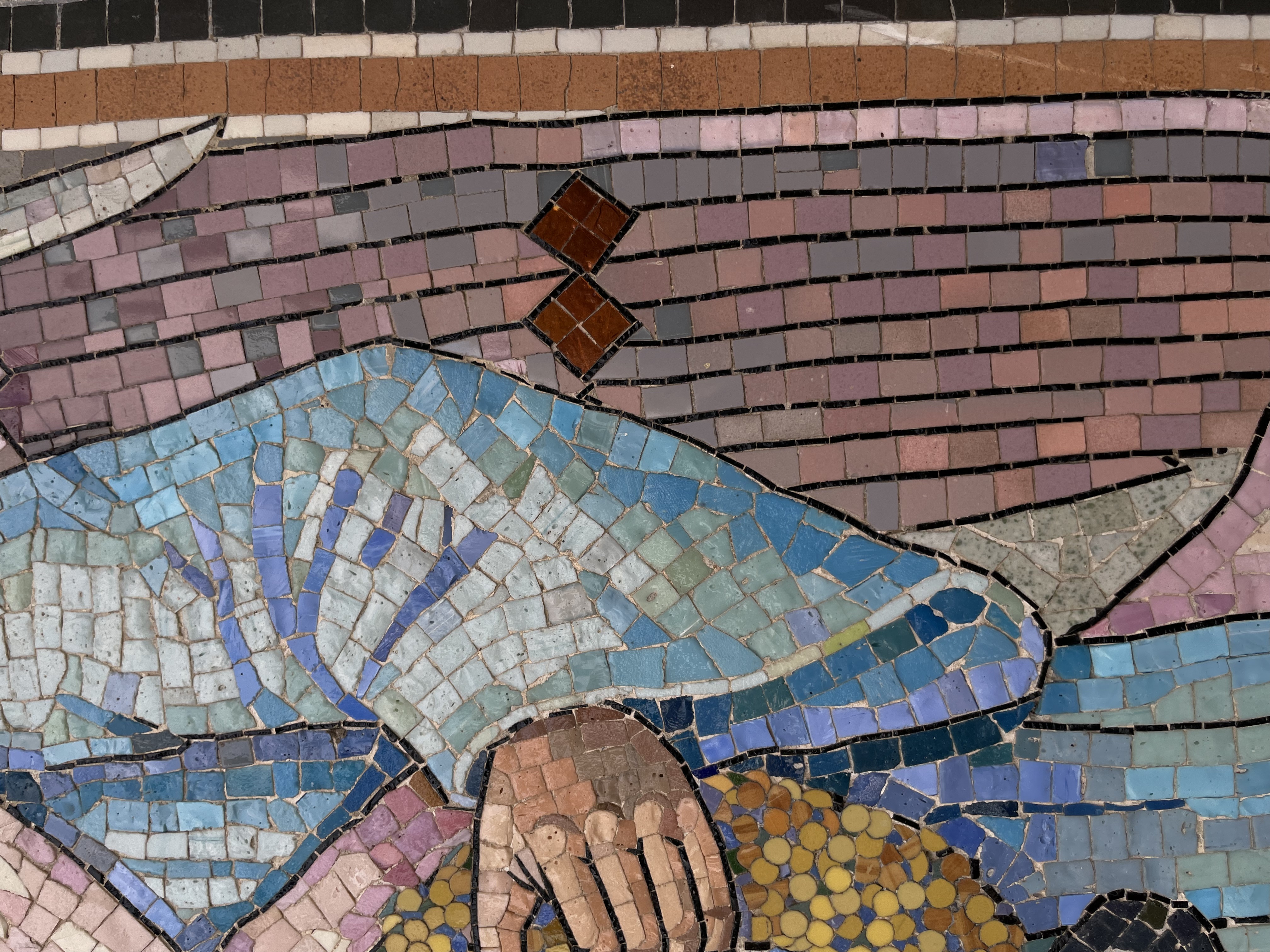
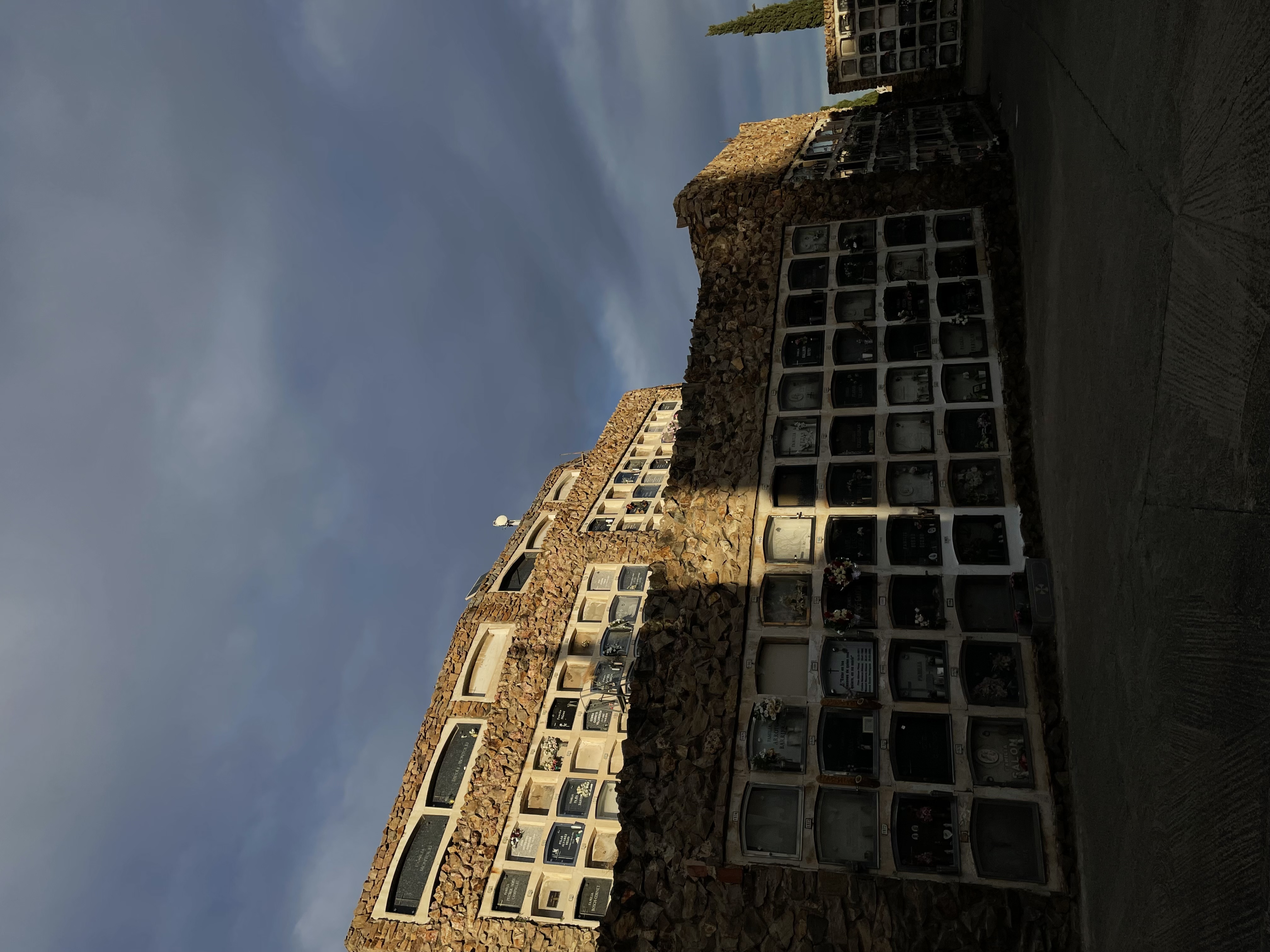
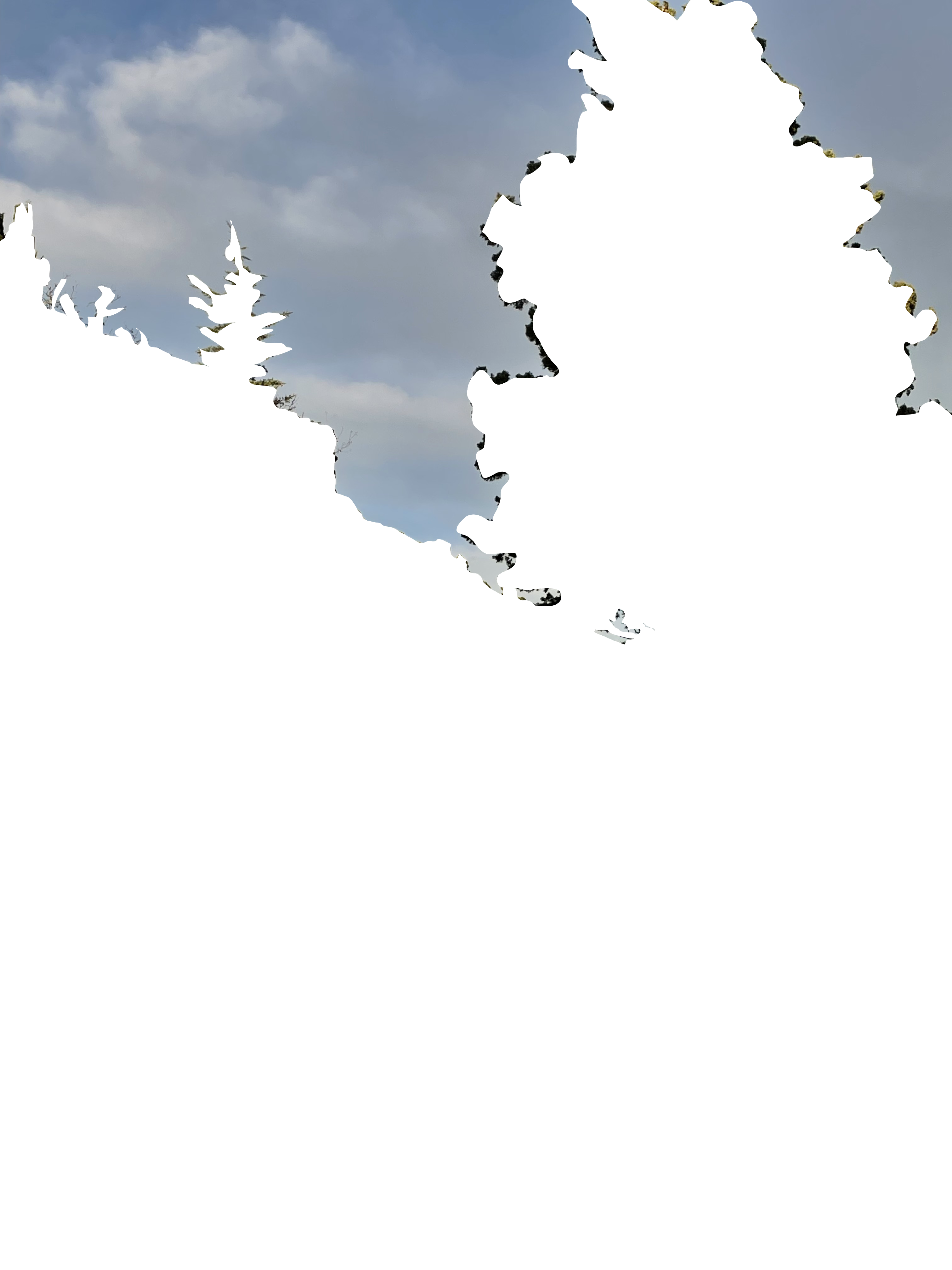
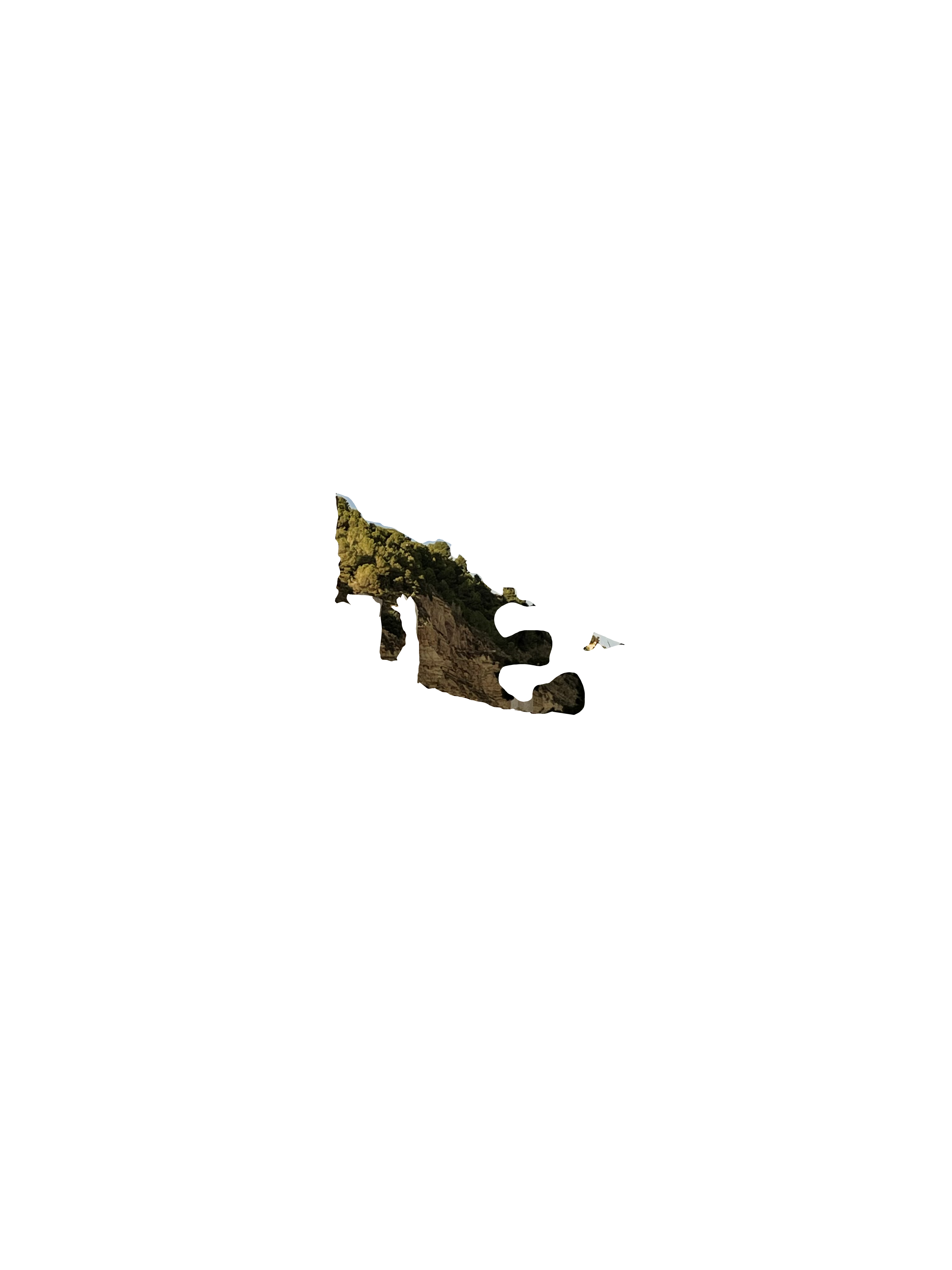
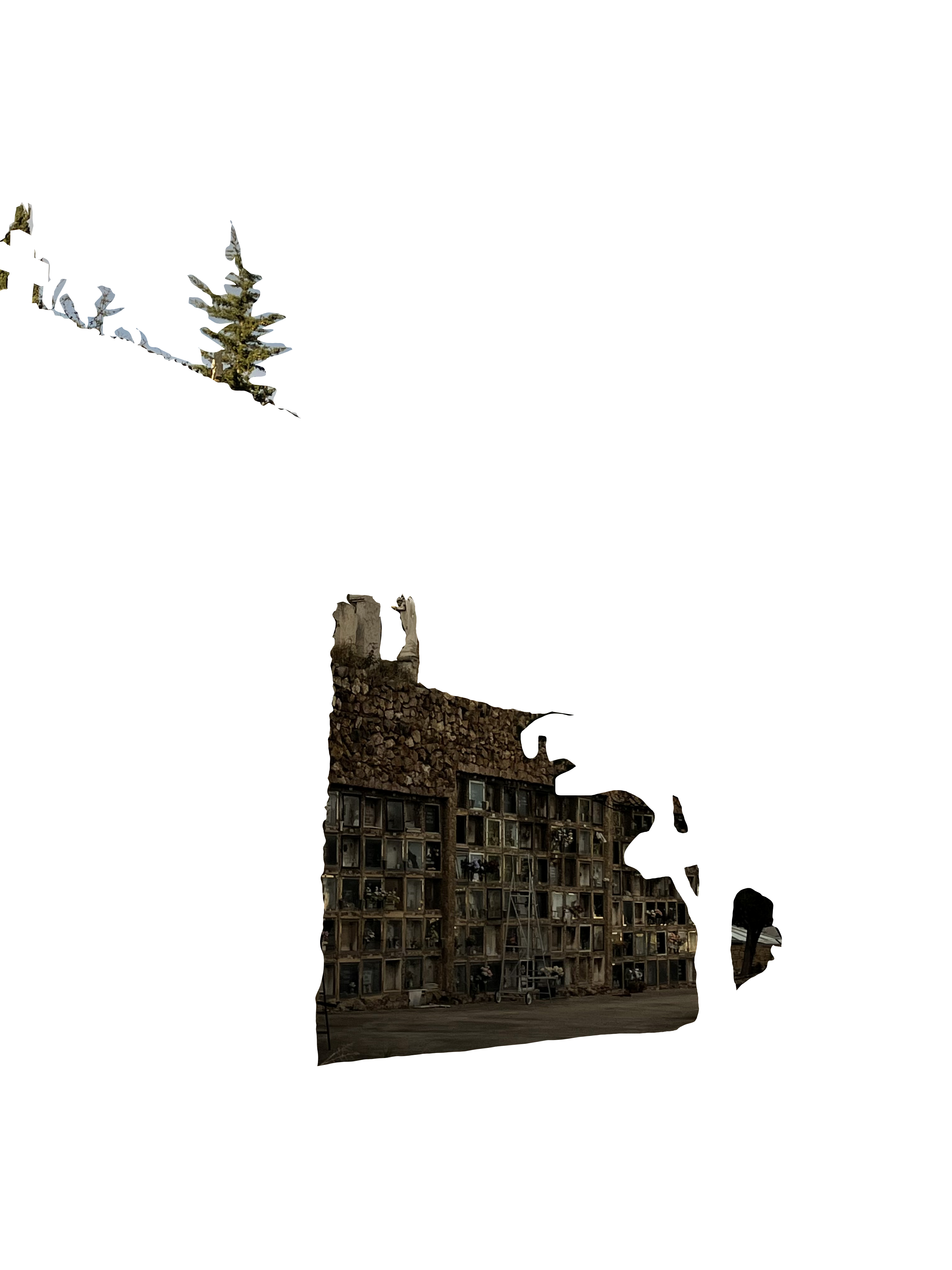
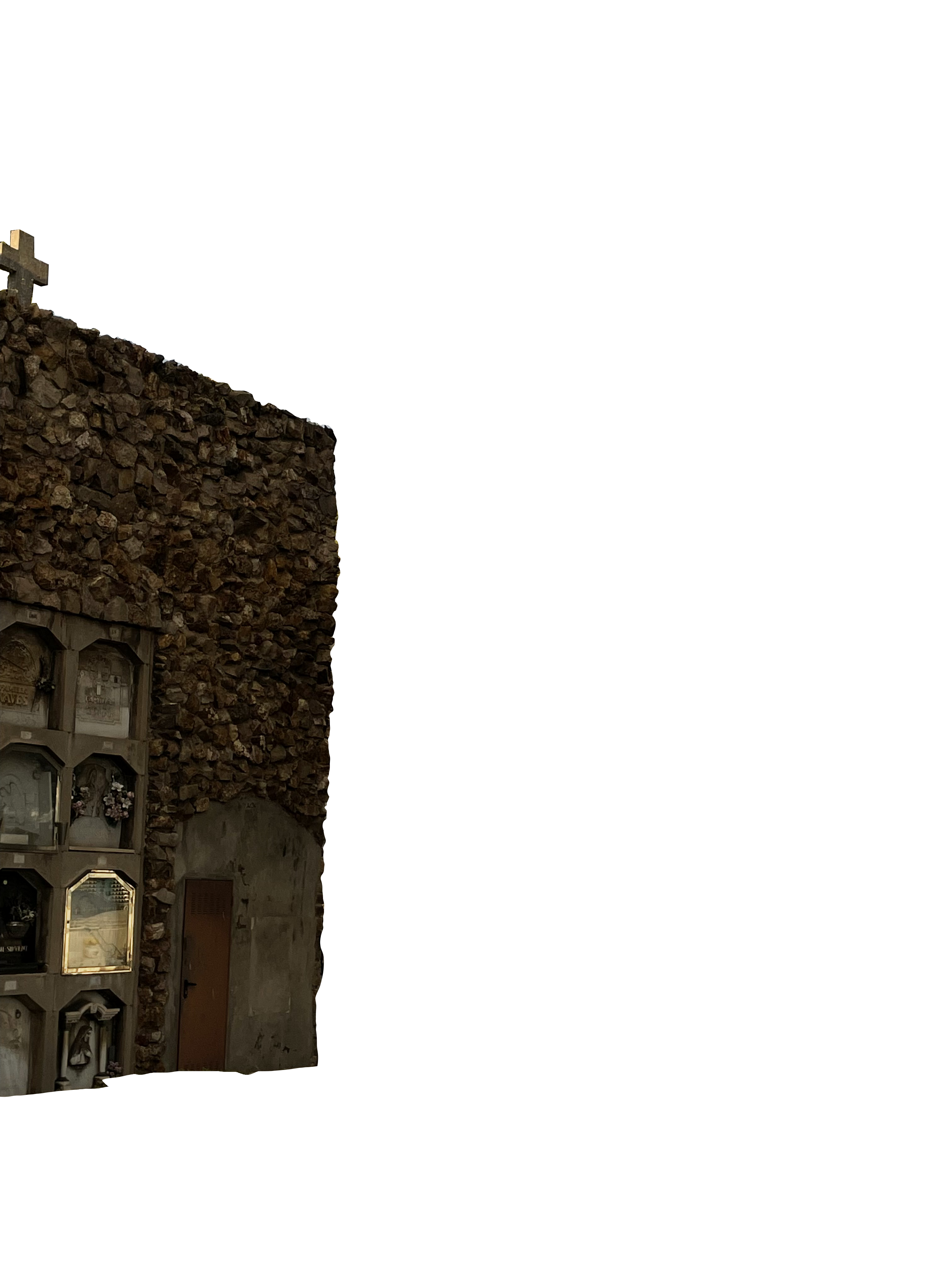
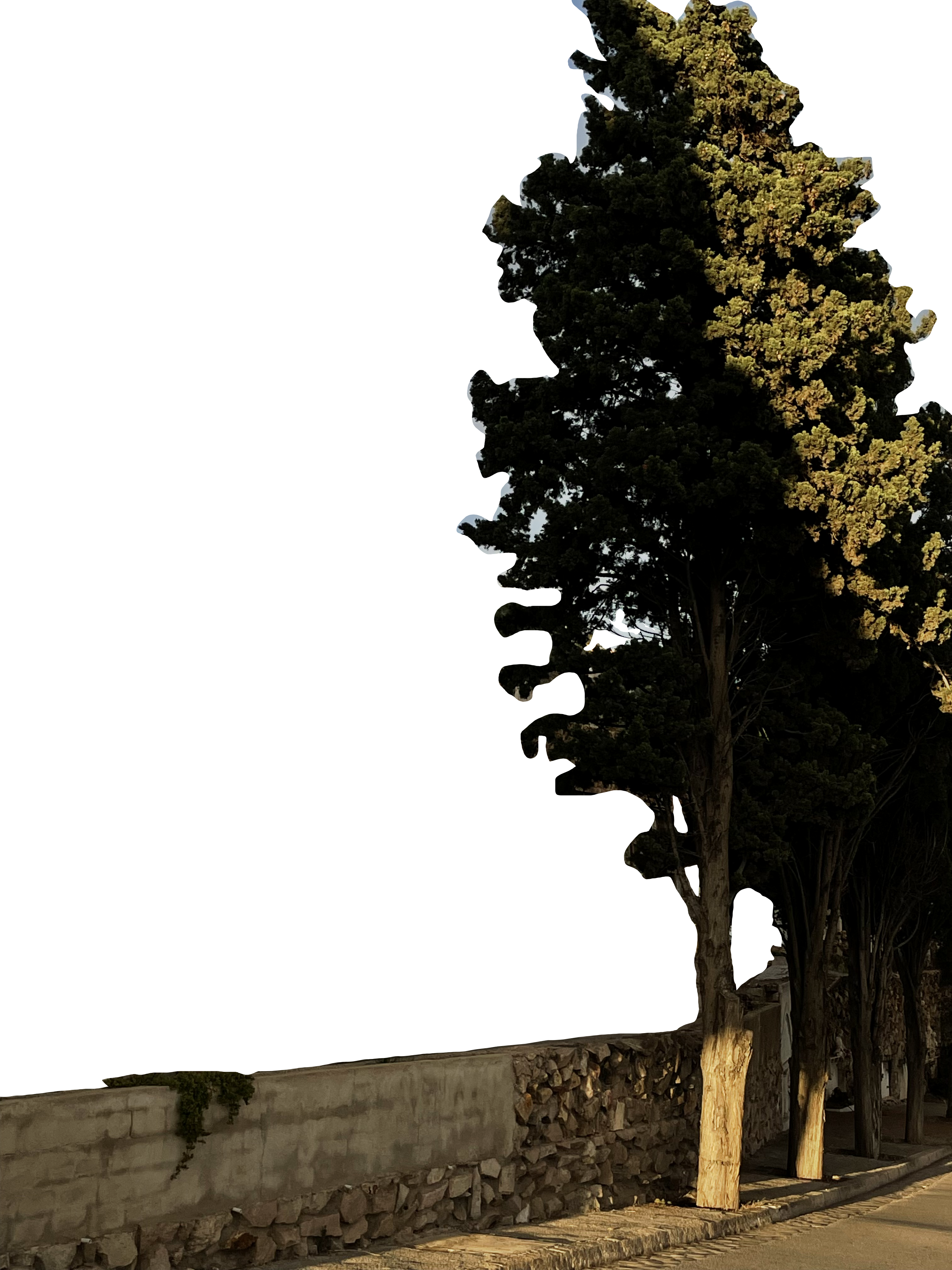
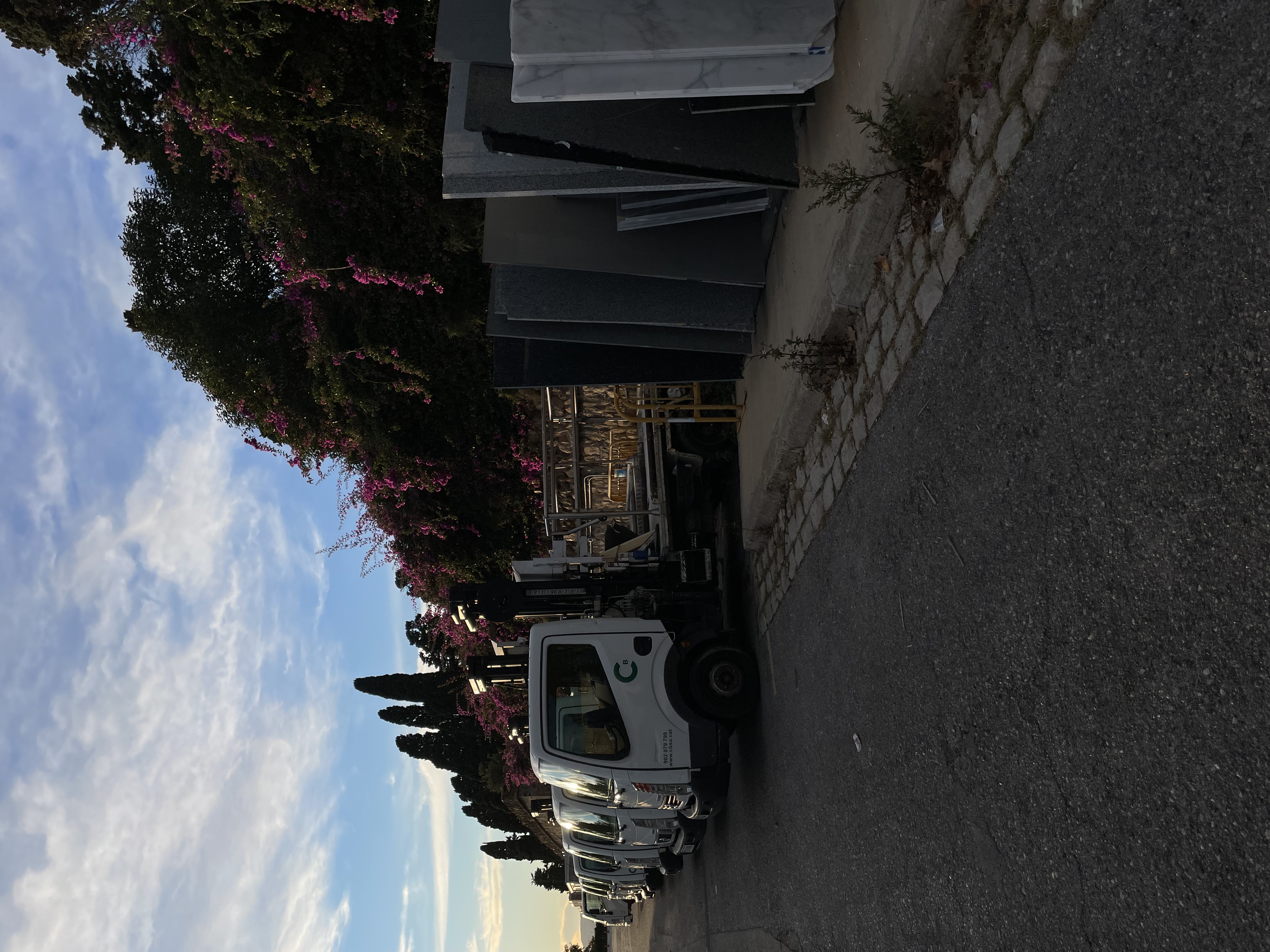
what strikes me most about this landscape is how aware it makes me of its layers.
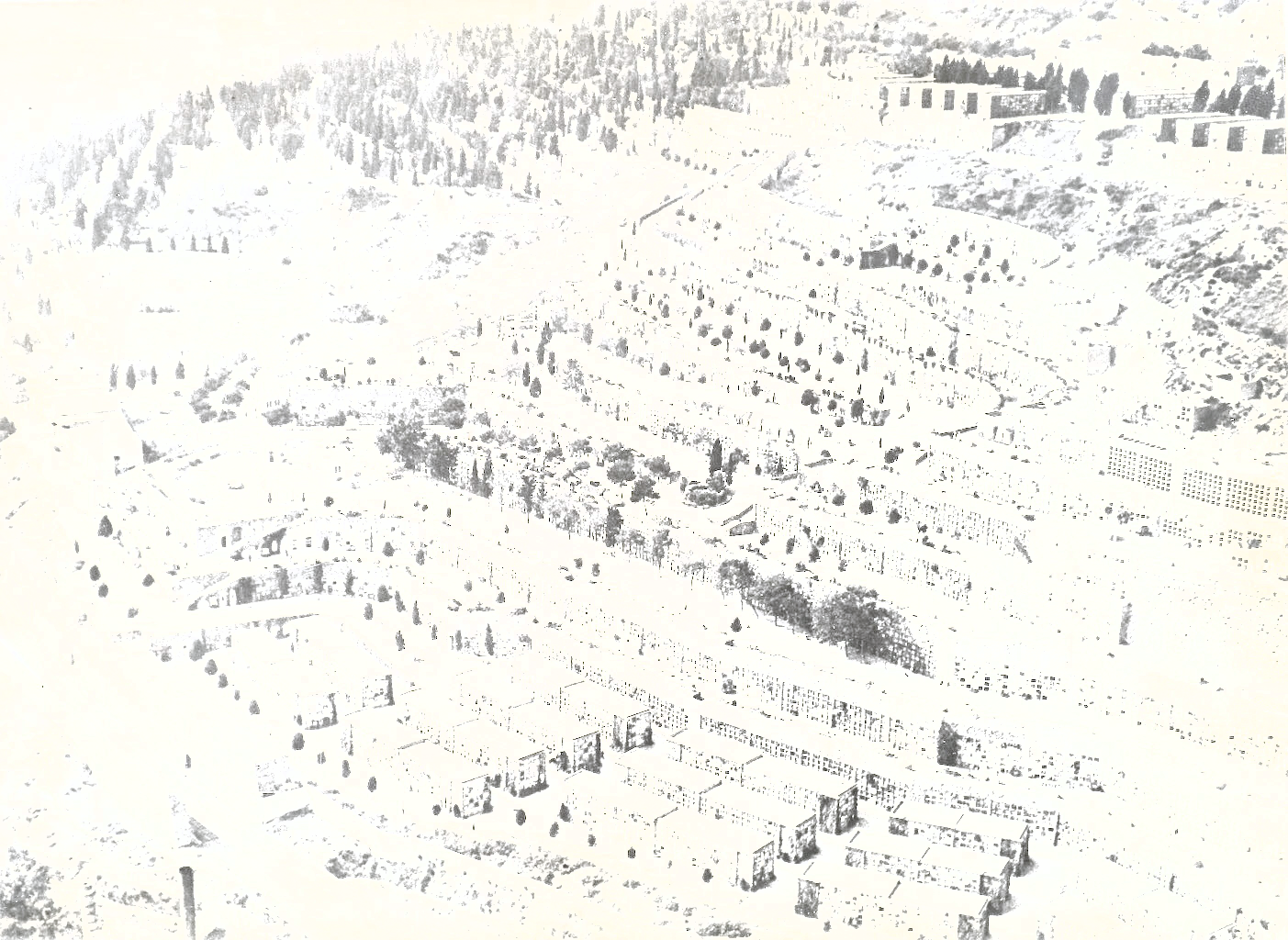
El cementerio de Montjuïc, también conocido como cementerio del Suroeste, también sufrió las consecuencias de un gran deslizamiento en 1894, que afectó a gran parte de los terrenos que actualmente ocupa el este del actual cementerio. Según Thós (1896), el 14 de abril de 1894 se deslizaron 547.296 m3, siendo, posiblemente, el mayor movimiento de ladera conocido en la ciudad de Barcelona. El episodio destruyó varios bloques de nichos del margen oriental del cementerio (Figura 6, izq.). (Pinyol, J., and M. González. "Los movimientos del terreno en la montaña de Montjuïc (Barcelona) desde mediados del siglo XIX hasta la actualidad.")
den grabstein meines onkels hat sein sohn gefertigt
mein onkel war steinmetz und hat viele grabsteine gefertigt, auch die meiner großeltern
mütterlicherseits liegt meine familie in einem waldfriedhof begraben
ich kenne den tod seit 21 jahren
ich bin mit niemandem auf diesem friedhof verwandt, nur soweit wie ich mit allen menschen verwandt bin